





During the precision CNC parts customization,CNC Lathe Processing Copper AlloyIt is the core process of communication interface, conductive parts and high-end decorative parts. Aiming at the pain points of brass, copper and other materials that are easy to oxidize and tear and produce burrs, it is the key to ensure batch consistency and appearance quality to construct a standardized process from clamping, cutting to post-treatment.
Analysis of Copper Alloy Material Characteristics and Cutting Difficulties
Commonly used C3600 (free-cutting brass), C2720 (ordinary brass) and C1100 (oxygen-free copper) show significant differences in turning. Copper alloy has good thermal conductivity but low friction coefficient, tool wear is fast; material toughness is high, easy to produce burrs at the withdrawal and difficult to break. In addition, copper is extremely sensitive to oxidation. Turning heat and air contact will quickly form cuprous oxide (Cu ˇ O) or even cupric oxide (CuO) on the surface, resulting in a decrease in the adhesion of subsequent plating layers or dark spots on the appearance. Therefore, process design needs to solve both "chip removal" and "anti-deterioration" problems.
Anti-oxidation Control Strategy in Turning Stage
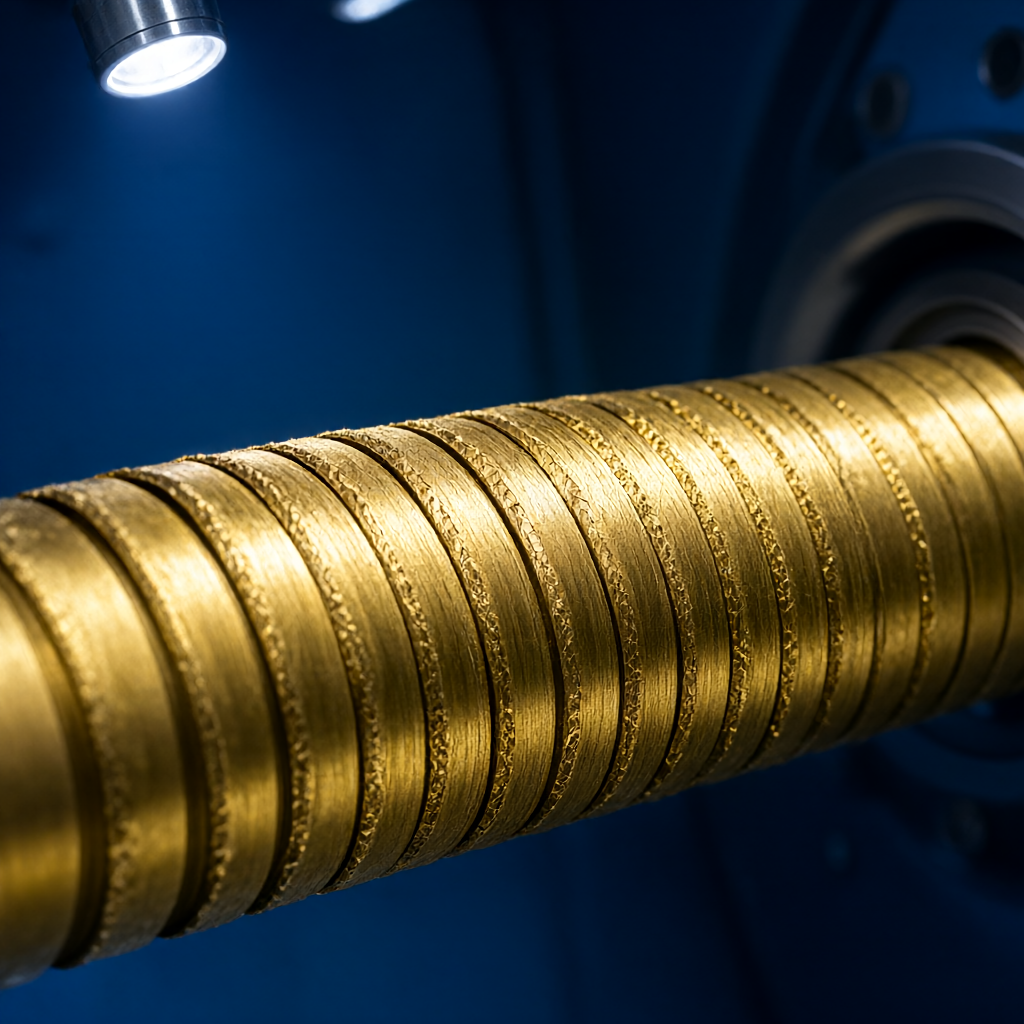
Prevention of oxidation of copper parts cannot rely solely on post-treatment, it must be controlled from the cutting source. Preferred useFully enclosed cutting fluid, its pH value should be stable between 9.0 - 10.0, add antioxidants to isolate air contact. During the turning process, the cutting fluid should be sprayed directly on the contact area between the tool tip and the workpiece to form a liquid film protection. For large specifications of shaft parts, the strategy of "rough turning before fine turning" can be adopted. After rough turning removes most of the surplus, it cools as soon as possible to reduce the continuous heating time of the surface. If the parts need to be kept dry (such as insulation requirements), dry cutting with special carbide inserts can be considered, but some surface finishes need to be sacrificed, and isolation protection needs to be added between processes.
Comparison and Selection of Deburring Process Schemes
Copper alloy burr treatment is the decisive link of appearance quality. Under different batch and tolerance requirements, the scheme selection is completely different. The following comparison of the three mainstream processes is applicable to scenarios and advantages:
| process type | applicable scenarios | merit | Limitations/risks |
|---|---|---|---|
| Manual/semi-automatic file deburring | small batch (<100件)、异形件、高公差要求 | Very low cost, flexible and controllable, no chemical corrosion risk | Inefficient, consistency dependent on operator skills, difficult to scale |
| electrochemical deburring | Medium to large quantities, internal cavities, complex geometries | No mechanical stress, no damage to surface hardness, can remove deep burrs in blind holes | Special fixture is required for conduction, waste liquid treatment costs are high, and surface coating is affected. |
| Vibration mill/drum mill | Large quantities (>500 pieces), standard parts, slight surface changes allowed | High efficiency, fully automatic, deburring while improving surface finish | The size of parts may be changed (wear amount is about 0.05-0.1mm), and grinding allowance shall be reserved |
Engineering recommendations:For high-precision copper parts with tolerance requirements within ±0.05mm, the combination of "fine turning tool chamfering + manual reinspection" is preferred; if the parts have internal holes and the batch is large, electrochemical deburring is the best choice for both efficiency and non-damage; if it is an appearance decoration, vibration grinding is an economic solution that balances cost and aesthetics, but it is necessary to clearly mark "grinding allowance" on the drawings.
Key process parameters and tool selection details
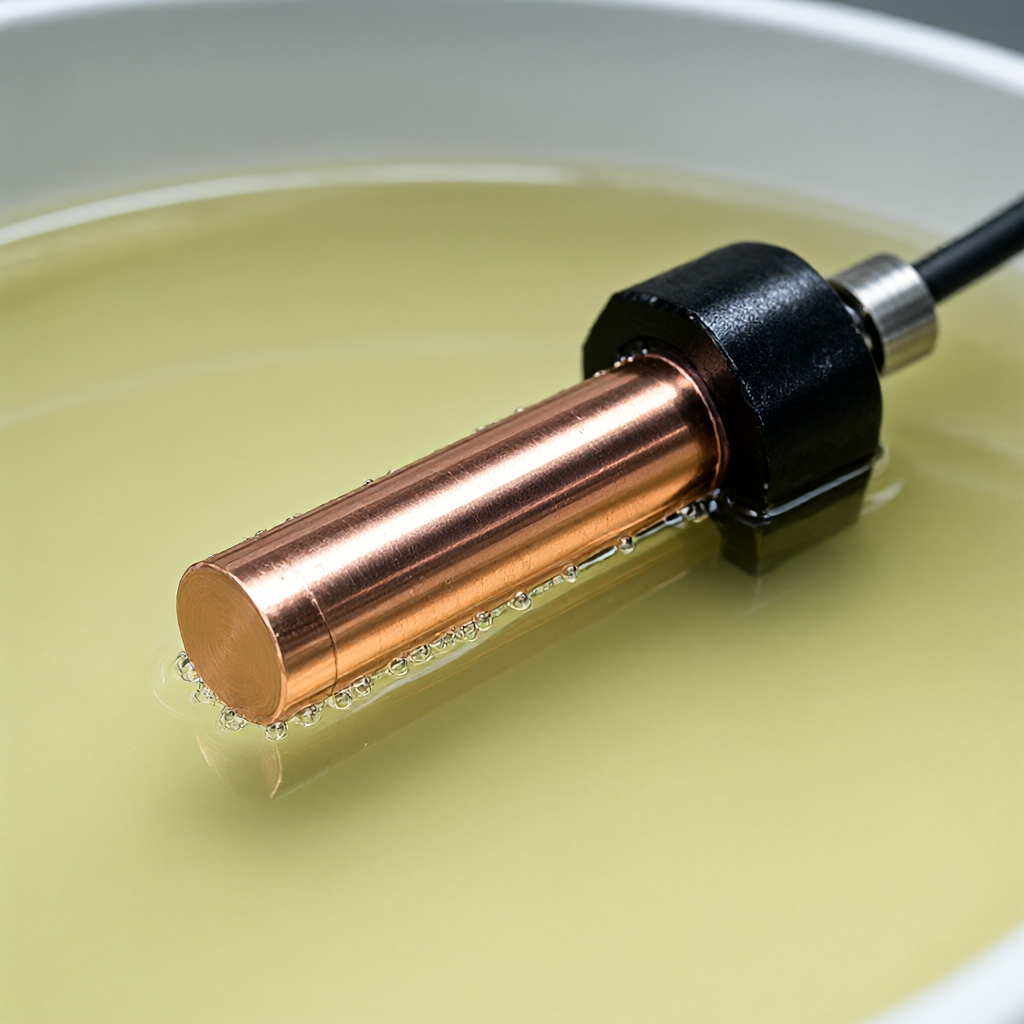
In order to reduce burr formation at source, turning parameters and tool geometry are crucial. It is recommended to control the speed between 800-1200 rpm (20-50mm diameter parts) and the feed rate between 0.1-0.15 mm/rev.PCDN or nano-coated cemented carbide inserts with positive rake angle, sharp cutting edge helps to cut fibrous burrs. The direction of tool withdrawal should be inward from the outside of the workpiece end surface to avoid "pulling" burrs. For turning and milling compound machining, when milling the center hole, pecking drill strategy or high pressure air blowing chips are used to prevent chips from accumulating in the hole and causing secondary burrs.
Appearance quality control and inspection standards
In ShowyMetal's production line practice, the visual acceptance criteria for copper alloys are usually stricter than the size acceptance. In addition to the conventional three-dimensional inspection size tolerance (up to ±0.01mm), we focus on controlSurface roughness (Ra0.4-0.8μm) and oxidation chromaticityDuring inspection, use standard light source (D65) to observe at 45 ° angle, and it is forbidden to have dark oxidation spots visible to the naked eye, knife marks or finger prints. For high gloss surface requirements, polishing or electrolytic grinding shall be carried out after deburring. Batch consistency control requires sampling the first, intermediate and final parts of each batch to ensure uniform appearance and color, which is the core ability different from ordinary processing plants.
Frequently Asked Questions (FAQ)
Is it easy to produce flash and burr when machining copper alloy with CNC lathe?
Copper toughness is good, it is easy to produce burrs in the cutting groove and withdrawal. By optimizing the tool rake angle, using chip breaker inserts and increasing the deburring allowance, the burr height can be controlled within 0.05mm, which is convenient for subsequent processing.
How to prevent copper parts from oxidation and blackening rapidly after turning?
The key is to shorten the "cut-cool-expose" time window. Coating the workpiece with a high concentration of cutting fluids containing antioxidants or using rust preventive oils for rapid isolation between processes can delay the oxidation time to more than a few hours and gain a window for subsequent plating or assembly.
Is electrochemical deburring necessary for small batches of copper parts?
No. For small batches of less than 100 pieces, manual files combined with visual inspection are more economical and non-destructive. Electrochemistry is more suitable for scenarios where the internal cavity is difficult to reach and the batch size is more than 500 pieces.
Can copper alloy parts be hard oxidized or plated directly?
Yes, but only if the surface is free of copper powder contamination, no deep oxide layer and has been thoroughly deburred. Residual burrs will preferentially deposit nickel or chromium during electroplating, forming white spot defects, so "deburring before electroplating" is a rigid process logic.
Will vibration grinding lead to size oversize?
Yes. Vibration grinding removes burrs by friction with media, accompanied by slight material removal (usually 0.05-0.1mm). If drawing tolerances are tight, this allowance must be reserved at the blank stage, or fine grinding protection must be carried out before grinding, otherwise it is easy to cause insufficient size.
Conclusion and collaboration recommendations
Copper alloy precision machining is a combination of material characteristics and process discipline. Whether it is chemical control of oxidation prevention or physical selection of deburring, the core lies inSeamless connection between processes and standardization of parameters. We provide one-stop service from DFM suggestion to batch delivery, focusing on solving the problems of appearance consistency and micro burr control. If you have drawings or samples of copper alloy parts, please send technical parameters and batch requirements. We will provide more reference value process solutions and quotations based on actual production line data.



