

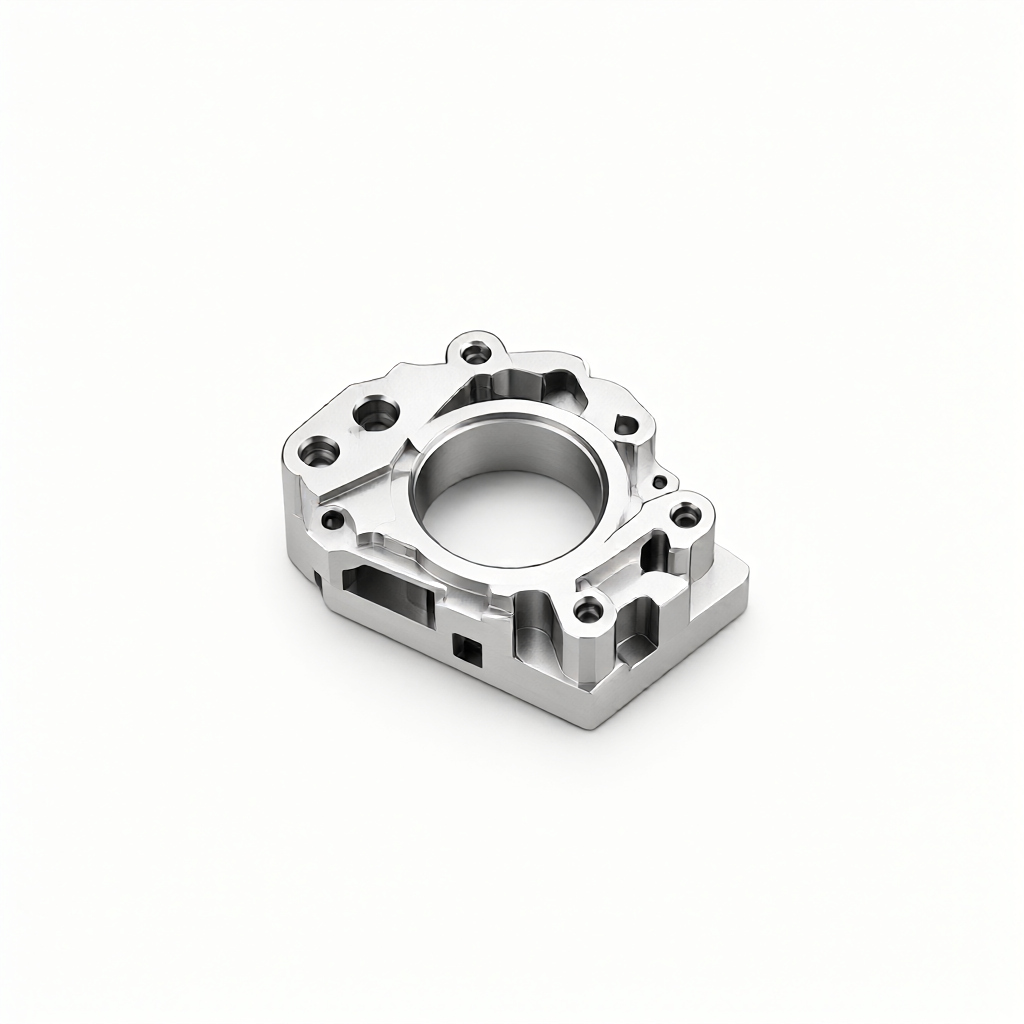
Influence of Aluminum Alloy Grade Selection on CNC Machinability
In the customization of precision aluminum alloy CNC parts, the material grade is the core variable that determines the machining difficulty, cost and final performance. If engineers only pay attention to the strength or cost, they often ignore the key influence of machinability on the delivery date and yield. In contrast, 6061-T6 has excellent machinability and processing stability, which is a common choice for mass production with both efficiency and cost performance; while 5052-H32 is used for appearance parts or sheet metal bonding parts due to its excellent corrosion resistance and surface forming ability.
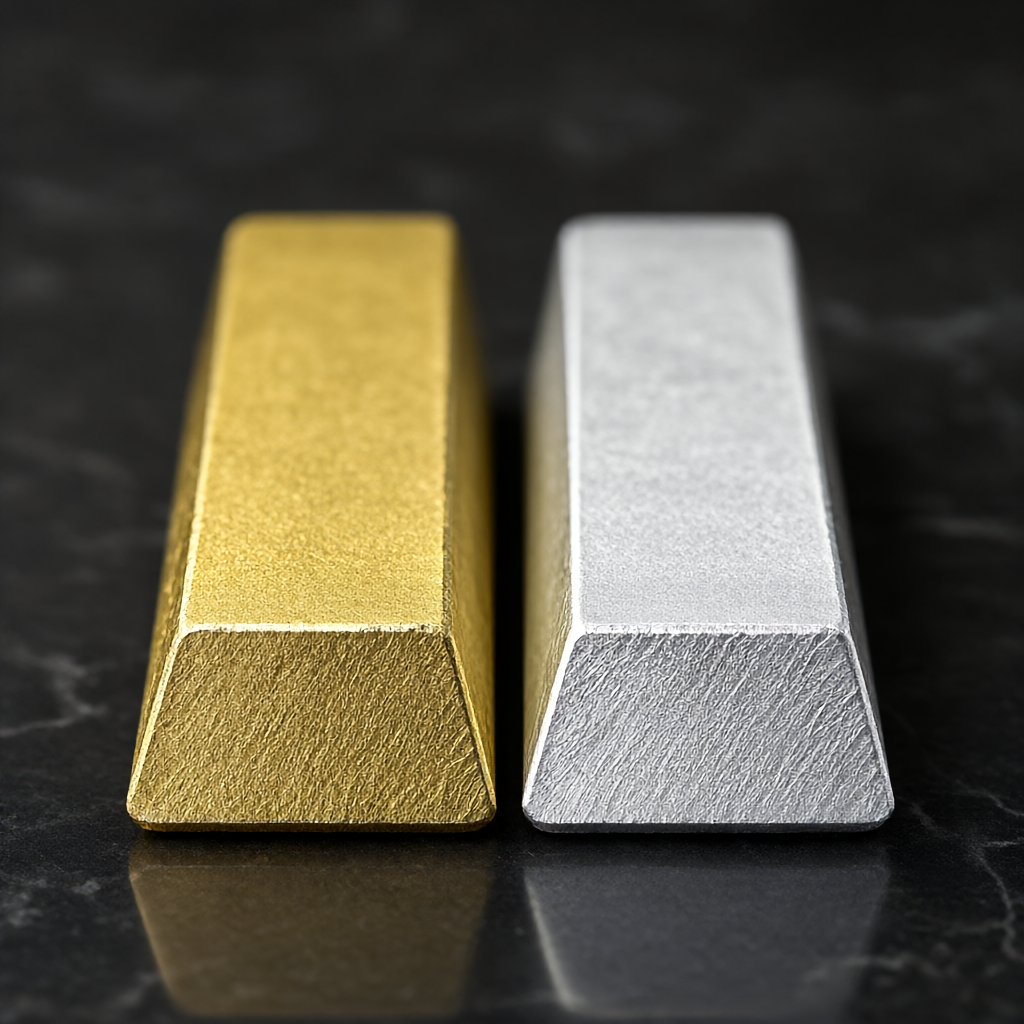
6061 aluminum alloy relative cutting performance close to the benchmark value, using standard carbide or special high speed steel tools can maintain stable feed; while 7075 need to reduce the depth of cut and speed to control temperature rise, avoid thermal deformation of the workpiece. If the drawing does not specify the grade, it is recommended to give priority to 6061-T6 to reduce the risk of later processing rework.
Comparison of common aluminum alloy grades
- 6061-T6: Easy to process, easy to weld, good surface coating effect, suitable for most general machinery and consumer electronics housings.
- 7075-T6: High specific strength, suitable for aerospace, high-end mechanical structural parts, but slightly weaker corrosion resistance, white corrosion easily occurs on the surface.
- 5052-H32: Good corrosion resistance, excellent formability, suitable for outdoor equipment, oil tanks or surface polishing appearance parts.
Analysis of CNC Machining Tolerance and Surface Roughness Standard
Tolerance ability directly reflects the process control level of the factory. In the selection of aluminum alloy CNC machining, it is necessary to make clear whether the tolerance level on the drawing is general tolerance (such as ISO 2768-mK) or precision tolerance. The size tolerance of conventional three-axis milling is usually controlled within ±0.1mm, while the key size tolerance can be stabilized within ±0.01mm by using five-axis linkage turning and milling combined process with precision fixture.
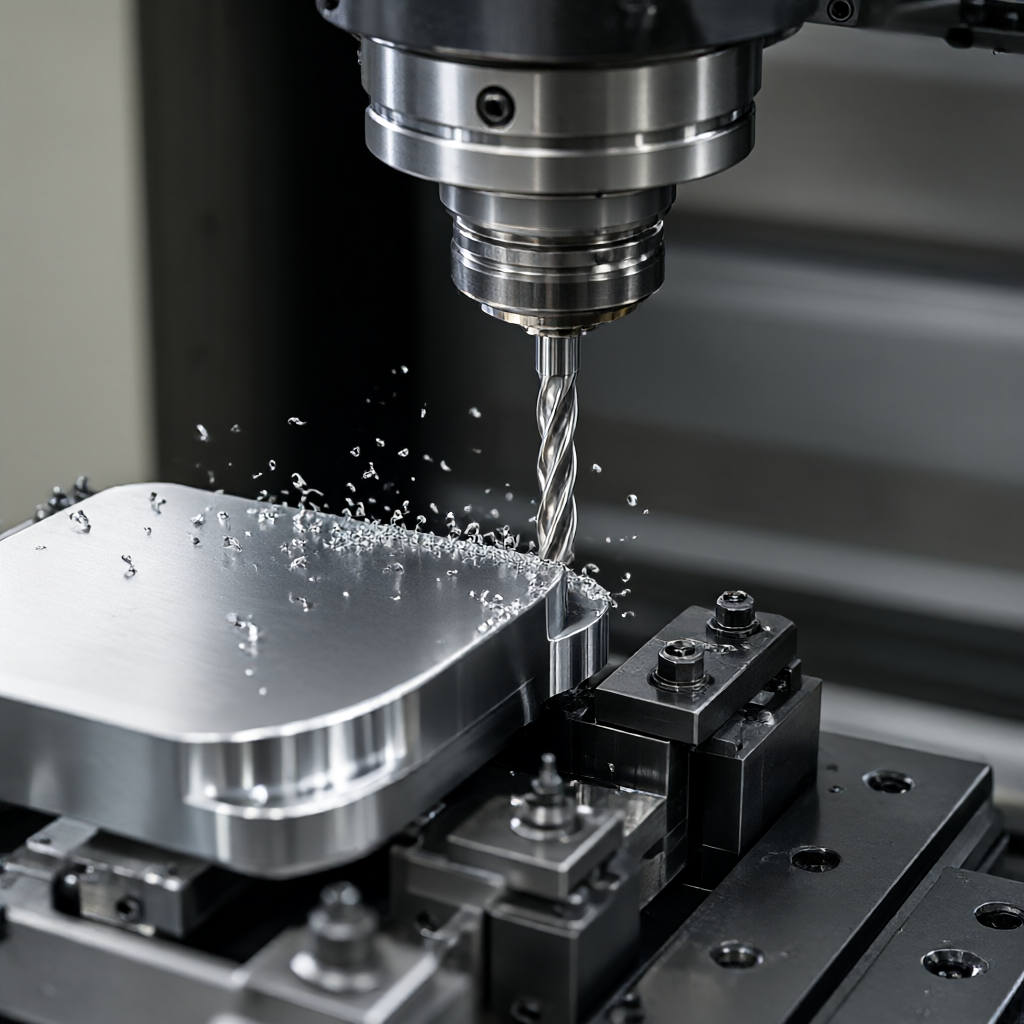
Surface roughness (Ra) is a dual indicator of appearance and assembly function. The Ra value of ordinary milling surface is mostly between 0.8-1.6μm; if you want to achieve high brightness surface or mirror effect, you need to increase deburring, grinding or anodizing finishing process. For optical devices or high-end 3C product appearance surface, Ra0.4μm has become a common acceptance threshold, which requires a reasonable polishing allowance in the machining stage to avoid deep cutting marks affecting subsequent processing.
Tolerance classes are associated with manufacturing costs
| grade of tolerance | Typical size range | processing methods | cost coefficient |
|---|---|---|---|
| standard tolerance | ±0.1mm | 3-axis milling/turning | standard |
| close tolerances | ±0.05mm | Precision fixture positioning | 1.3 - 1.5 |
| high precision tolerances | ±0.01mm | Five-axis/milling compound + multiple clamping | 2.0 above |
Evaluation of advantages and disadvantages of different surface processing schemes
Surface treatment is not only related to appearance, but also affects corrosion resistance and subsequent coating adhesion of aluminum parts. When comparing schemes, process cycle and batch consistency should be weighed. Anodization is the most commonly used surface hardening and coloring process for aluminum parts. The standard film thickness is 8-12μm, which can provide excellent wear resistance and corrosion resistance. Sand blasting can eliminate machining lines and give matte texture. It is often used as a necessary process before anodization.
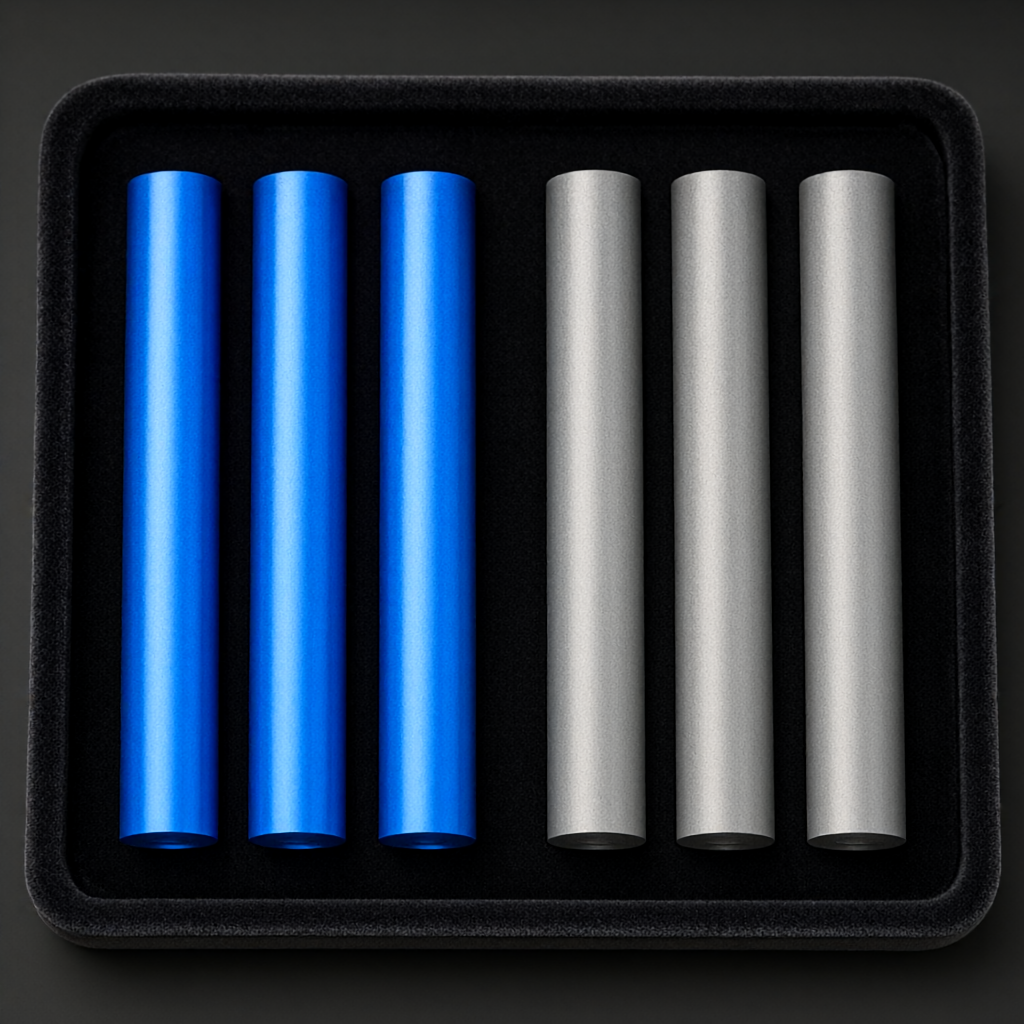
For special appearance requirements, mirror polishing and hard sun (above 30μm) are two different paths. Mirror polishing pursues high visual finish, but it is sensitive to residual stress inside the workpiece, so it needs to be combined with low temperature aging treatment; hard sun improves hardness through thicker oxide film, suitable for high friction conditions.
Design of machining process path and clamping scheme
The rationality of process path determines the machining deformation and equipment utilization.