


Material Selection Guide: Aluminum, Stainless Steel, and Titanium Alloy Comparison
Compare aluminum, stainless steel, and titanium for CNC machining. Analyze strength, weight, cost
The reliable choice balancing strength and cost


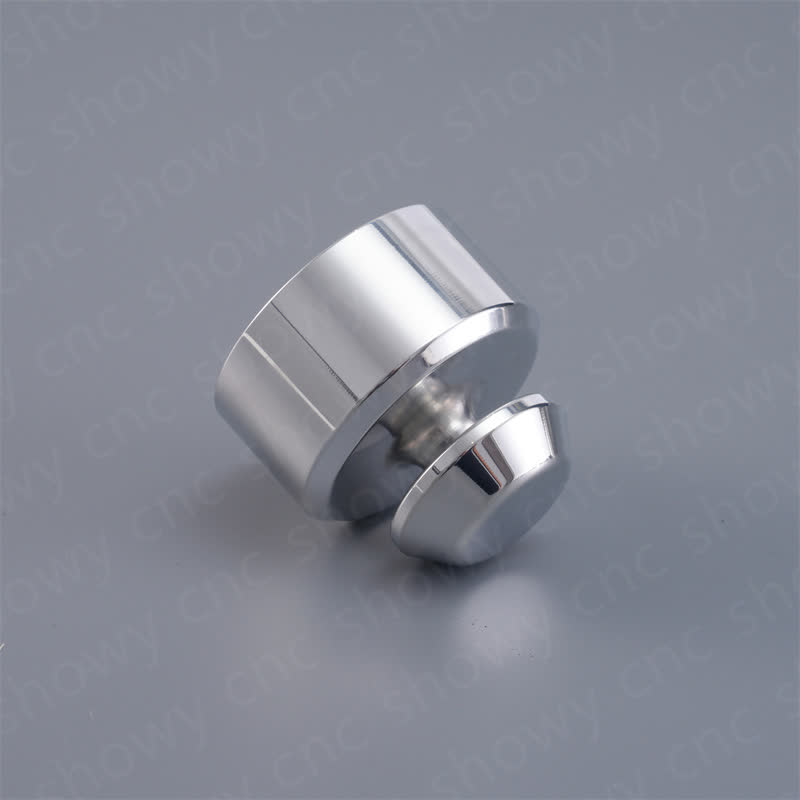


Carbon steel is a fundamental material in CNC machining, offering excellent strength, toughness, and cost-effectiveness for a wide range of industrial applications. It is the backbone of manufacturing, used in everything from machinery components to structural frames.
We machine various carbon steel grades including 1018 (low carbon, excellent weldability), 1045 (medium carbon, good strength), and A36 (structural grade). Each grade is selected based on the application requirements for strength, hardness, and weldability.
Carbon steel machines well and can be heat-treated to achieve a wide range of mechanical properties. Surface treatments include black oxide, zinc plating, nickel plating, and powder coating for corrosion protection and enhanced appearance.
The following table lists typical mechanical, thermal, and physical properties for this material. Actual values may vary by grade and temper.
| Property | Value | Unit |
|---|
We stock multiple grades for different application needs. Each grade offers distinct properties optimised for specific uses — click to view detailed specifications, machining advice and typical applications.
Low-carbon steel with excellent weldability and machinability; used for shafts, pins, and general machined parts.
View Details Medium CarbonMedium-carbon steel with good strength and hardness for gears, shafts, and other parts requiring higher strength.
View Details StructuralLow-carbon structural steel with excellent weldability, widely used for structural components, brackets, and plates.
View Details Free MachiningLead- and sulfur-alloyed steel with outstanding machinability, ideal for high-volume turning and complex parts.
View Details Alloy SteelChromium-molybdenum alloy steel with excellent toughness and wear resistance; used in gears, shafts, and tooling.
View Details Free MachiningSulfur- and phosphorus-alloyed steel with outstanding machinability, ideal for automatic lathe parts.
View DetailsThis material is widely used across multiple industries for various applications, from precision prototypes to end-use production parts.
Surgical instruments, housings
Structural brackets, panels
Engine components, housings
Heat sinks, enclosures
Motor mounts, brackets
Fixtures, jigs, tooling
Frames, handles, cases
Fittings, valves, hardware
| Finish Type | Description | Ra (typical) |
|---|
The questions engineers ask most about machining, surface quality and selecting this material.
Related to Carbon Steel
Related to Carbon Steel
Compare aluminum, stainless steel, and titanium for CNC machining. Analyze strength, weight, cost
Compare 6061 vs. 7075 aluminum for CNC machining, covering strength, cutting parameters, and finishes to balance cost and efficiency for precision par…
Cutting 7075/6061 aluminum? Get validated speed/feed windows and tool strategies for precision mass production and on-time delivery.
Related to Carbon Steel
In-depth guide to CNC machining covering 3/5-axis milling and turning. Optimized for engineers and buyers to enhance precision and efficiency.
Analyze aluminum CNC machining costs. Covers 6061/7075/5052 specs, process optimization, and DFM design to boost supply chain efficiency.
Related to Carbon Steel
Based on 72 CNC machines, here are 10 design rules for aluminum precision. Cover wall thickness, tolerance, and DFM to prevent scrap, ensure ±0.01mm a…
Learn how CNC tolerances impact aluminum part quality and cost. Explore ISO 2768, GD&T, and surface finish.
Expert CNC aluminum DFM guide: ISO 261 drill formulas, blind hole depth, & thread tolerances for reliable, aerospace-grade assemblies.
Send your STEP / DWG / PDF drawing and get a detailed quote with free DFM analysis and process recommendations within 2 hours. No minimum order — from 1 piece.