


Decomposition of Aluminum Alloy Chemical Descaling Processes Before Anodizing
Explore aluminum chemical descaling pre-anodizing. Covers parameters, mechanical methods, and defect prevention.
Vibrant colors with corrosion protection — decorative and protective


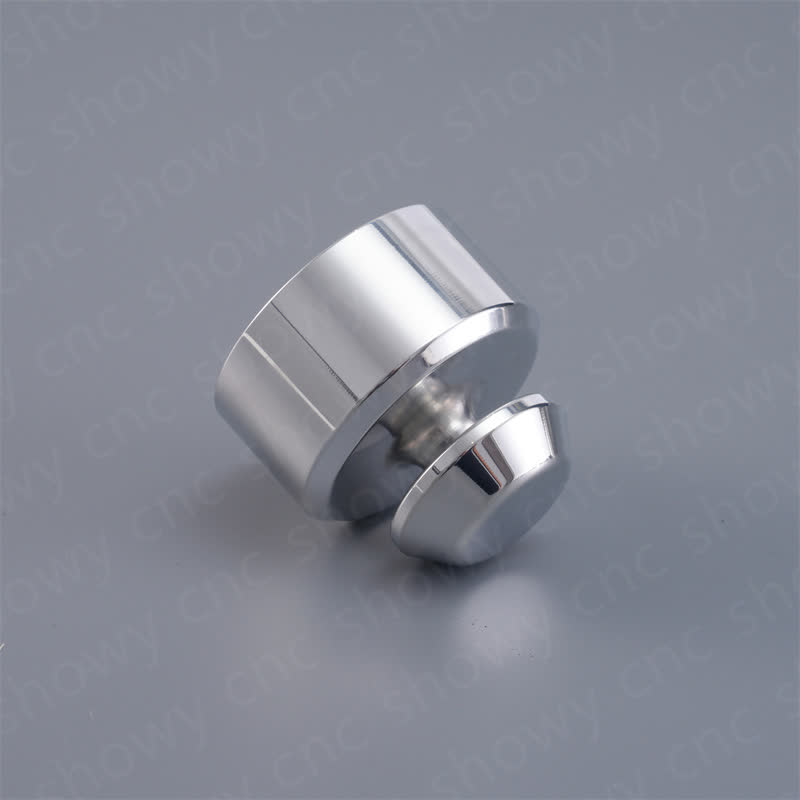


Type II anodizing forms a controlled oxide layer on aluminum, combining decorative appearance with corrosion resistance and dyeable colors.
The table below lists typical parameters and lead-time information for this process. Actual values may vary with material, size and quantity.
| Parameter | Value / Details |
|---|---|
| Colors & Finish | Clear, Black, Gold, Red, Blue |
| Compatible Materials | Aluminum, Titanium |
| Typical Thickness / Spec | 5-25 μm |
| Relative Cost | $$ |
| Lead Time | About 3 business days |
This process is compatible with the CNC materials below. Open any material for properties, common grades and machining advice.

Properties, grades, applications and machining tips for CNC manufacturing.
View Material Guide
Properties, grades, applications and machining tips for CNC manufacturing.
View Material Guide
Properties, grades, applications and machining tips for CNC manufacturing.
View Material Guide
Properties, grades, applications and machining tips for CNC manufacturing.
View Material Guide
Properties, grades, applications and machining tips for CNC manufacturing.
View Material Guide
Properties, grades, applications and machining tips for CNC manufacturing.
View Material Guide
Properties, grades, applications and machining tips for CNC manufacturing.
View Material Guide
Properties, grades, applications and machining tips for CNC manufacturing.
View Material Guide
Properties, grades, applications and machining tips for CNC manufacturing.
View Material Guide
Properties, grades, applications and machining tips for CNC manufacturing.
View Material Guide
Properties, grades, applications and machining tips for CNC manufacturing.
View Material Guide
Properties, grades, applications and machining tips for CNC manufacturing.
View Material Guide
Properties, grades, applications and machining tips for CNC manufacturing.
View Material Guide
Properties, grades, applications and machining tips for CNC manufacturing.
View Material Guide
Properties, grades, applications and machining tips for CNC manufacturing.
View Material Guide
Properties, grades, applications and machining tips for CNC manufacturing.
View Material Guide
Properties, grades, applications and machining tips for CNC manufacturing.
View Material Guide
Properties, grades, applications and machining tips for CNC manufacturing.
View Material GuideA selection of parts machined from these materials, for your reference.


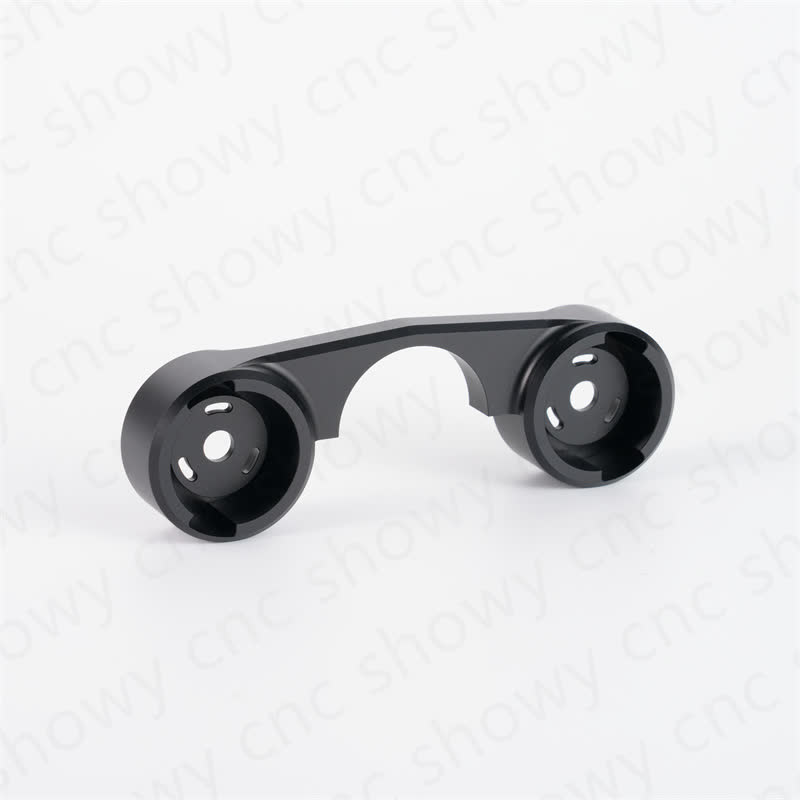 Energy CNC Machined Enclosures


Need a different finish? Browse all surface treatment options to find the right match for your parts.
The questions engineers ask most about selecting this process, compatible materials and lead times.
Related to Anodizing (Type II)
Related to Anodizing (Type II)
Explore aluminum chemical descaling pre-anodizing. Covers parameters, mechanical methods, and defect prevention.
Compare aluminum, stainless steel, and titanium for CNC machining. Analyze strength, weight, cost
Explore aluminum CNC tolerances from ±0.1 to ±0.01 mm, covering process selection, thermal effects, inspection, and practical failure-prevention strat…
Related to Anodizing (Type II)
Explore anodizing and plating options for CNC parts. Compare material suitability and failure modes with DFM tips to boost corrosion resistance and as…
Compare Type II and Type III anodizing for CNC aluminum parts. Learn how thickness, wear, and corrosion resistance differ for precision engineering.
Related to Anodizing (Type II)
Based on 72 CNC machines, here are 10 design rules for aluminum precision. Cover wall thickness, tolerance, and DFM to prevent scrap, ensure ±0.01mm a…
Expert CNC aluminum DFM guide: ISO 261 drill formulas, blind hole depth, & thread tolerances for reliable, aerospace-grade assemblies.
Learn how CNC tolerances impact aluminum part quality and cost. Explore ISO 2768, GD&T, and surface finish.
Send your STEP / DWG / PDF drawing and get a detailed quote with free DFM analysis and process recommendations within 2 hours. No minimum order — from 1 piece.