


Material Selection Guide: Aluminum, Stainless Steel, and Titanium Alloy Comparison
Compare aluminum, stainless steel, and titanium for CNC machining. Analyze strength, weight, cost
Hydrolysis-resistant and repeatably sterilizable — trusted for medical and baby products


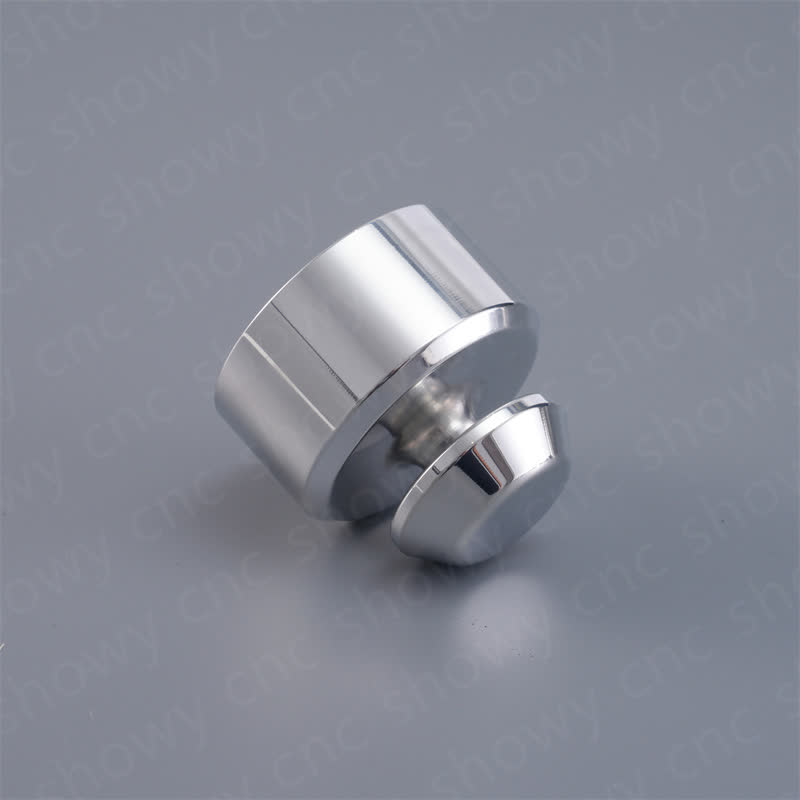


PSU (polysulfone) and PPSU (polyphenylsulfone) are high-performance amorphous engineering plastics with continuous use temperatures of 160°C and 180°C respectively, capable of withstanding thousands of 134°C steam sterilization cycles without degradation.
Polysulfone materials resist hydrolysis, acids, alkalis and cleaning agents, and are transparent (PSU is amber translucent, PPSU offers higher clarity). They can be repeatedly sterilized and service long-term in medical devices, food processing and drinking water systems.
Post-machining stress-relief annealing is recommended for polysulfone to prevent environmental stress cracking. We specialize in batch production, 100 pcs MOQ, lead time 15-25 days, with original manufacturer material certificates and biocompatibility documentation available.
The following table lists typical mechanical, thermal, and physical properties for this material. Actual values may vary by grade and temper.
| Property | Value | Unit |
|---|
We stock multiple grades for different application needs. Each grade offers distinct properties optimised for specific uses — click to view detailed specifications, machining advice and typical applications.
Standard PSU, amber translucent, the base polysulfone grade balancing heat and chemical resistance.
View Details PolyphenylsulfonePPSU offers better impact and chemical resistance plus higher clarity, the first choice for repeatedly sterilised medical parts.
View Details GF ReinforcedGlass fibre markedly raises stiffness and dimensional stability for heavily loaded structures.
View Details Medical GradeBiocompatible medical grade certified for repeated steam sterilisation.
View Details Food GradeFood-contact and potable-water certified PPSU for food and drinking water equipment.
View Details Wear-Resistant GradeSolid-lubricated wear grade for oil-free moving components.
View DetailsA selection of parts machined from this material.
This material is widely used across multiple industries for various applications, from precision prototypes to end-use production parts.
Surgical instruments, housings
Structural brackets, panels
Engine components, housings
Heat sinks, enclosures
Motor mounts, brackets
Fixtures, jigs, tooling
Frames, handles, cases
Fittings, valves, hardware
| Finish Type | Description | Ra (typical) |
|---|
The questions engineers ask most about machining, surface quality and selecting this material.
Related to PSU / PPSU (Polysulfone)
Related to PSU / PPSU (Polysulfone)
Compare aluminum, stainless steel, and titanium for CNC machining. Analyze strength, weight, cost
Learn how to solve chip adhesion in aluminum CNC machining by optimizing cutting speed, depth of cut, and coolant, plus tool selection for better surf…
Explore the feasibility of CNC machining after anodizing. Learn how oxide thickness and material grade affect secondary processes to optimize manufact…
Related to PSU / PPSU (Polysulfone)
In-depth guide to CNC machining covering 3/5-axis milling and turning. Optimized for engineers and buyers to enhance precision and efficiency.
Analyze aluminum CNC machining costs. Covers 6061/7075/5052 specs, process optimization, and DFM design to boost supply chain efficiency.
An in-depth cost breakdown of 3-axis vs 5-axis CNC using data from 72 production lines, covering tool paths, clamping, and material to aid precise sel…
Related to PSU / PPSU (Polysulfone)
Based on 72 CNC machines, here are 10 design rules for aluminum precision. Cover wall thickness, tolerance, and DFM to prevent scrap, ensure ±0.01mm a…
Learn how CNC tolerances impact aluminum part quality and cost. Explore ISO 2768, GD&T, and surface finish.
Learn the 10 fundamental design rules for CNC machining that will reduce costs, improve quality, and accelerate production.
Send your STEP / DWG / PDF drawing and get a detailed quote with free DFM analysis and process recommendations within 2 hours. No minimum order — from 1 piece.