





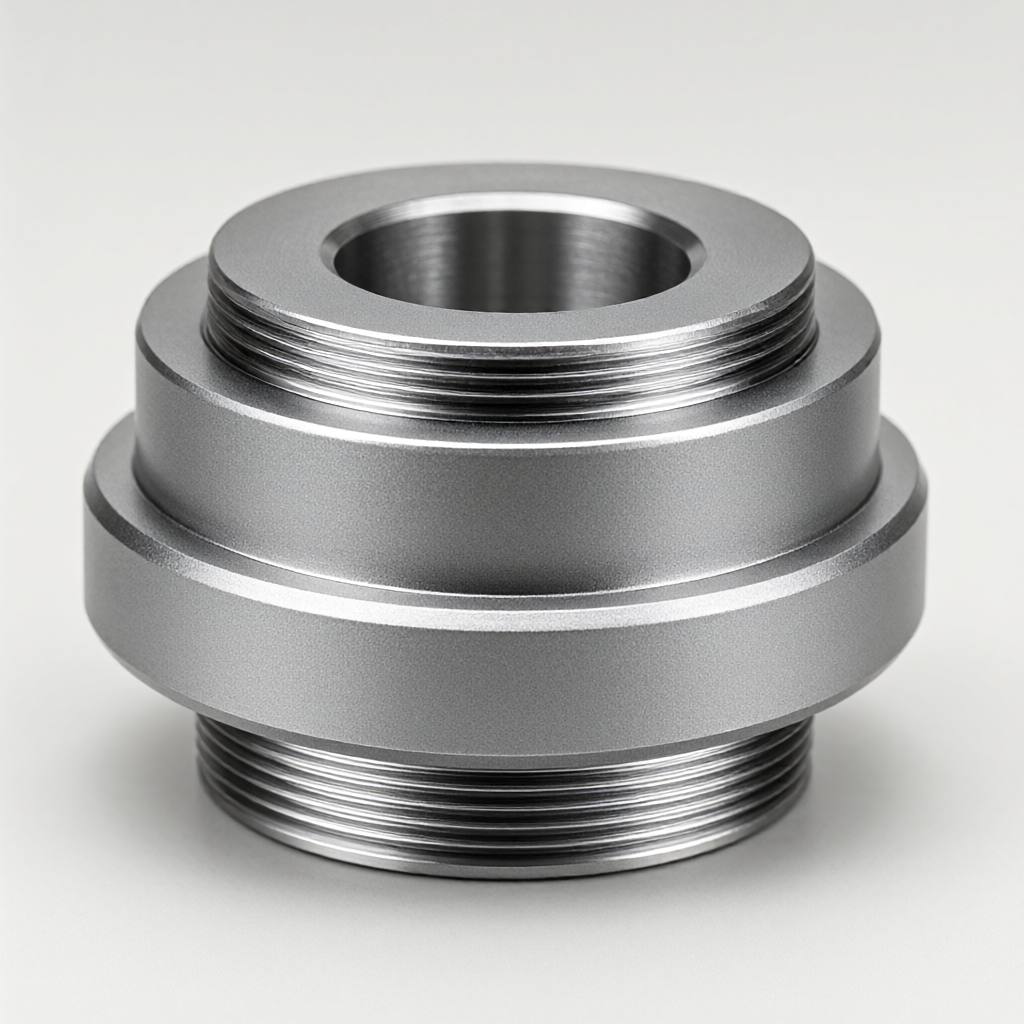
For aluminum CNC turning parts that need to balance structural strength and appearance texture, a single surface treatment is often difficult to meet the terminal requirements. This article will analyze in depthAnodizing combined with sandblastingAfter finishing process, we focus on process sequence, parameter control and typical failure avoidance. As a technical team engaged in precision CNC parts customization for a long time, we emphasize that surface treatment is not only "coloring", but also a key link to improve the corrosion resistance and touch of parts through microstructure changes.
CNC turning aluminum surface treatment logic and core pain points
Aluminum and aluminum alloys (e.g. 6061-T6, 7075-T6) are commonly used structural materials in aerospace, medical and consumer electronics due to their low density and high specific strength. However, bare aluminum surfaces are easily oxidized, and the tool patterns and slight burrs left by turning directly affect assembly accuracy and visual quality. Pain points that engineers often face include:
- Insufficient corrosion resistance: Natural oxide film is thin and brittle, and pitting is easy to occur in humid or salty environments.
- Appearance consistency is difficult to control: Turning parts surface complex, simple polishing easy to burn or produce different shades of orange peel.
- Conflict between function and aesthetics: High gloss anodizing is extremely sensitive to surface defects, and minor scratches are amplified; while matte surfaces are visually resistant, they may affect specific optical or sealing requirements.
Therefore, the combination of Sandblasting/Abraziv Blasting and Anodizing can eliminate the turning highlights by using the microscopic diffuse reflection layer formed by sandblasting, and then form a hard and dense protective layer through oxidation sealing, realizing the dual goal of "matte texture + high weather resistance".
Comparison of process sequence: sandblasting followed by oxidation vs oxidation followed by sandblasting
The choice of process path directly determines the final surface condition. Two common solutions in the industry and their advantages and disadvantages are as follows:
| Compare Dimensions | Scheme 1: Sandblasting first and then anodizing | Scheme 2: Anodic oxidation followed by sandblasting |
|---|---|---|
| surface microstructure | Sandblasting particles are embedded in the aluminum substrate, and the oxide film covers the micropores. After sealing the pores, the surface has high flatness and uniform diffuse reflection. | Sand impact may spall or crack oxide film, easily lead to local aluminum exposure, corrosion resistance damage, surface easy to show mottled. |
| appearance stability | Uniform color, small color difference between batches, suitable for products with high appearance requirements. | It is difficult to control uniformity, easy to appear white spots or fogging phenomenon, mostly used to sacrifice appearance in exchange for excellent de-stress or re-cleaning scenes (rarely seen). |
| processing difficulty | Blast pressure and particle size should be strictly controlled to avoid excessive depression affecting size tolerance. | The operation is relatively simple, but the post-cleaning is extremely difficult, and it is necessary to prevent sand residue from causing subsequent poor oxidation. |
| applicable scenarios | Consumer electronics housings, medical device handles, aviation interior parts, etc., where visual and corrosion resistance are required. | It is rarely used for finished product delivery and is more commonly used in internal structural component rework processes that require surface oxide removal. |
From engineering practice,Sandblasting followed by oxidationIt is industry standard practice. Sandblasting forms a matte substrate on the aluminum surface, which not only masks the turning lines, but also increases the adhesion area, making the subsequent anodized film denser. Conversely, sandblasting the oxidized hard film can easily destroy the film integrity, resulting in subsequent corrosion diffusion from the bare dew point.
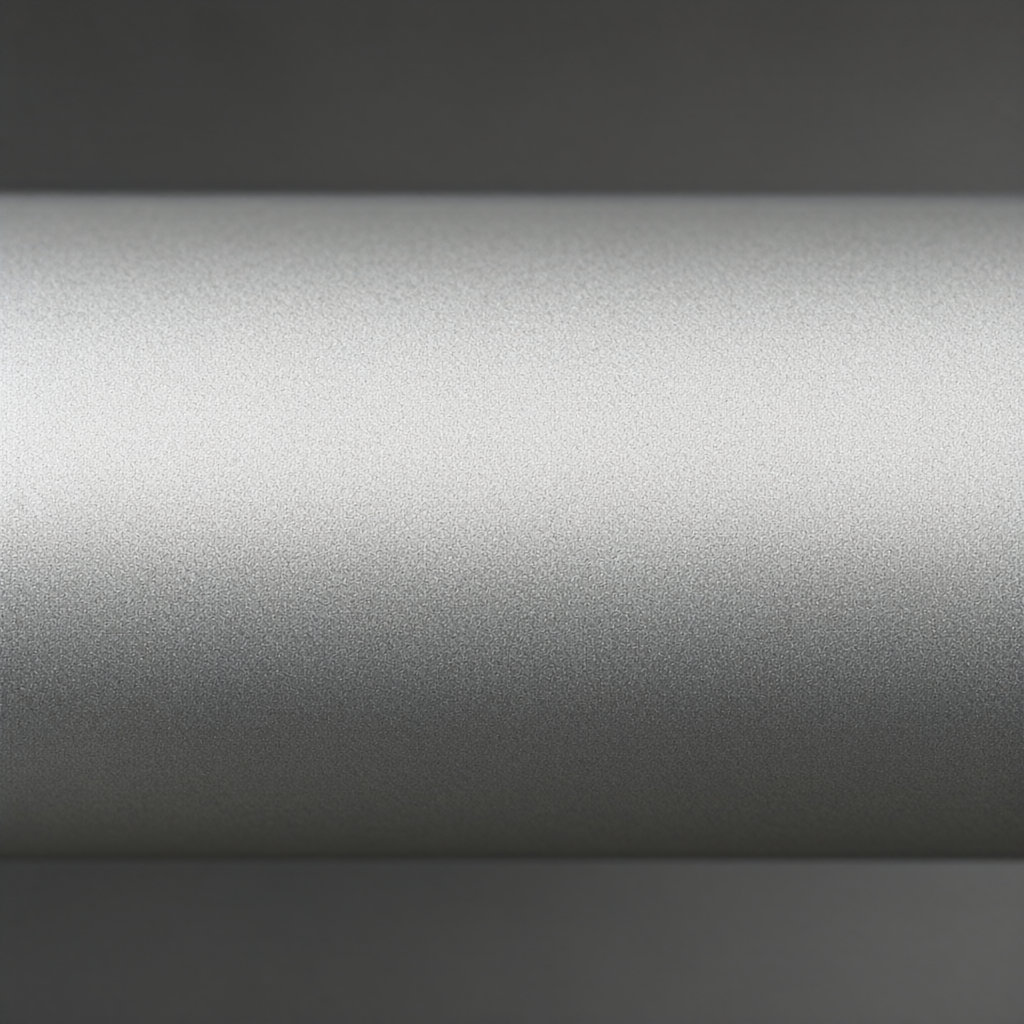
Detailed explanation of key process parameters: synergy between particle size, pressure and oxide film thickness
Parameter setting is the core to determine the quality of parts. Different design requirements correspond to different parameter combinations, and it is forbidden to "one set of parameters dominates the world".
Effect of Sandblasting Parameters on Roughness (Ra)
The Ra value of the surface roughness after blasting directly determines the visual feel. General recommendations:
- Fine matte (AA10-AA16): particle size 60-80 mesh, pressure 0.4-0.6 MPa. Ra value is usually 1.6-3.2 μm, retain part of the gloss, suitable for the pursuit of light texture of 3C shell.
- Uniform matte (AA15-AA22): particle size 30-50 mesh, pressure 0.6-0.8 MPa. Ra value of about 3.2-6.3 μm, showing uniform matte effect, the most able to cover up turning marks, is the first choice for most precision structural parts.
- Coarse matte (AA24-AA28): Particle size 12-24 mesh, pressure 0.8-1.0 MPa. Ra value>6.3 μm, strong feeling of particles, suitable for low-cost high-volume products such as industrial equipment shields.
Special attention should be paid to: for thin wall thickness (1 MΩ·cm), perform final rinsing and monitor pH and temperature of pretreatment tank.
Film peeling or blistering
This is the most serious failure. Usually due to the pretreatment degreasing is not clean, aluminum substrate surface residual oil film, resulting in poor adhesion between oxide film and substrate. Avoidance method: strengthen degreasing process, using lye immersion + pickling neutralization + washing three processes, and adhesion test (3M tape method or hundred grid knife test).
Color Difference (Batch Color Variation)
The color of different batches of parts after oxidation is inconsistent, mainly due to unstable oxidation current density or large fluctuation of bath temperature. Avoidance method: use rectifier to accurately control current density (usually 1.0-1.8 A/dm²), keep bath temperature constant (18-22℃), and load in the same batch in the same tank to avoid mixing different batches.
Local ablation or excessive depression
When sandblasting particles rebound or local accumulation, or electrode edge current density is too high. Avoidance method: control sandblasting distance (usually 15-20 cm) and angle, design reasonable loading fixture to avoid edge aggregation, if necessary, insulation treatment of the edge.
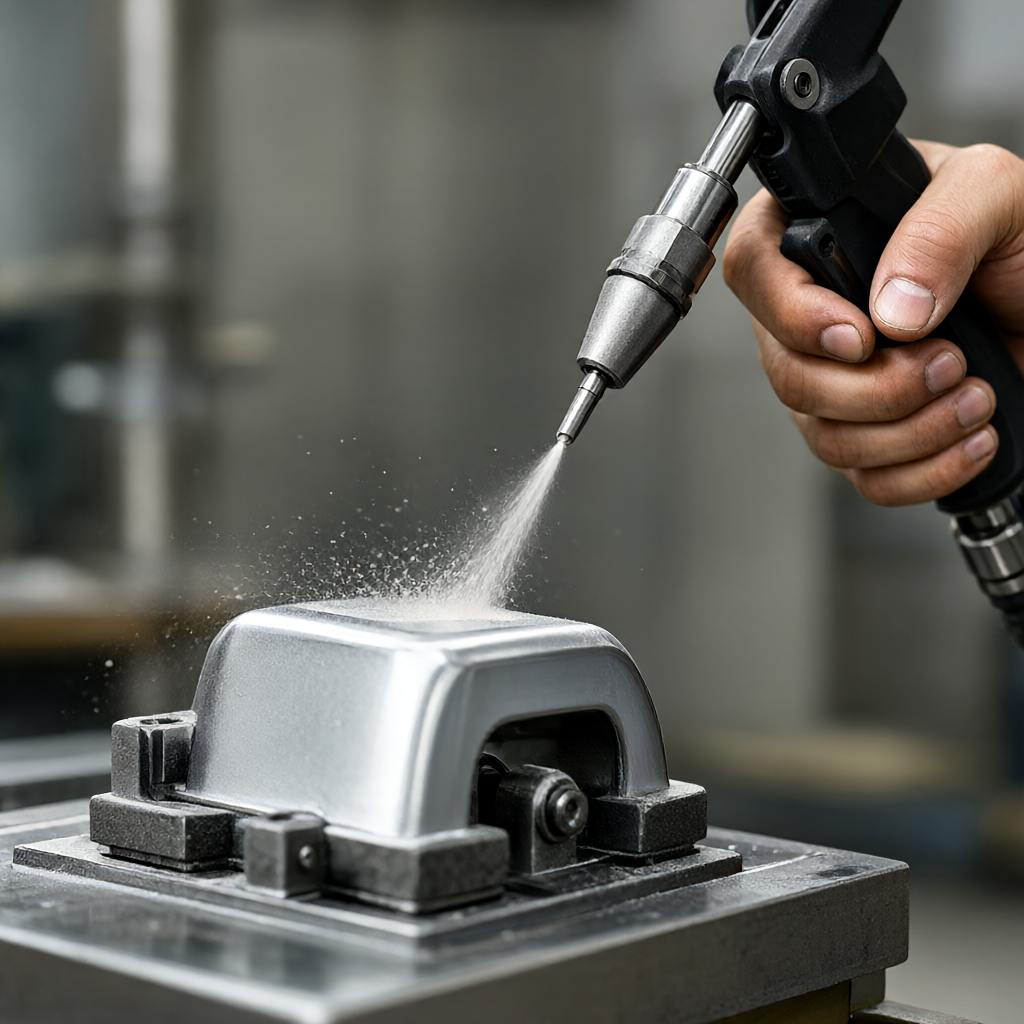
Acceptance criteria and test methods: define "qualified" with data
For B2B procurement, verbal agreement is unreliable, quantitative acceptance criteria is the guarantee. It is recommended that the following indicators be specified in the contract:
- film thickness measurementEddy current thickness gauge shall be used to conduct spot check at key parts, and the agreed tolerance (such as 10±2 μm) shall be met.
- roughness: Use touch roughness meter, Ra value shall comply with design drawing mark (such as Ra 3.2 μm).
- stain resistance: Refer to ASTM B633 or ISO 7539 for salt spray test (neutral salt spray NSS), requiring no dew point for 48-72 hours or judging according to agreed standards.
- visual inspection: Under D65 light source, 45° viewing angle, visual observation from 30 cm, no scratches, white spots, flow marks, visual color difference ΔE≤1.5 (comparison with the same batch).
During actual delivery, we will provide complete Surface Treatment Inspection Report, including film thickness distribution map, roughness measured value and appearance photos for review by the purchaser. For first article verification, it is recommended that the customer appoint a third-party inspection agency or in-plant sampling to establish a trust foundation.

FAQ: Frequently Asked Questions about Anodizing and Sandblasting of CNC Turning Parts
Q: Will sandblasting and oxidation increase the size of parts and affect assembly?
Yes. The oxide film has ductility and the film thickness increases uniformly (increasing the film thickness value on one side). For example, if the film thickness is 10μm, the diameter increases by 20μm. This value must be reserved in the upper tolerance limit during design. If the tolerance is extremely tight (



