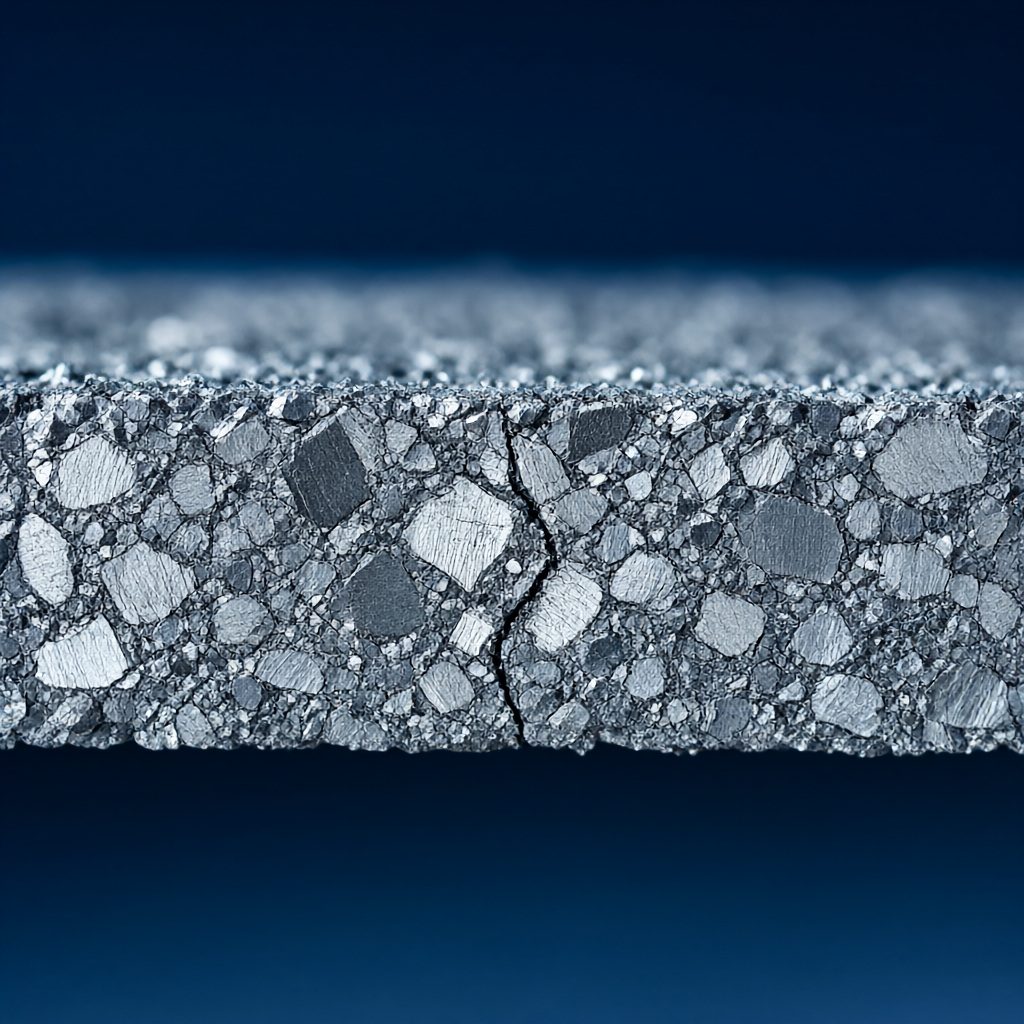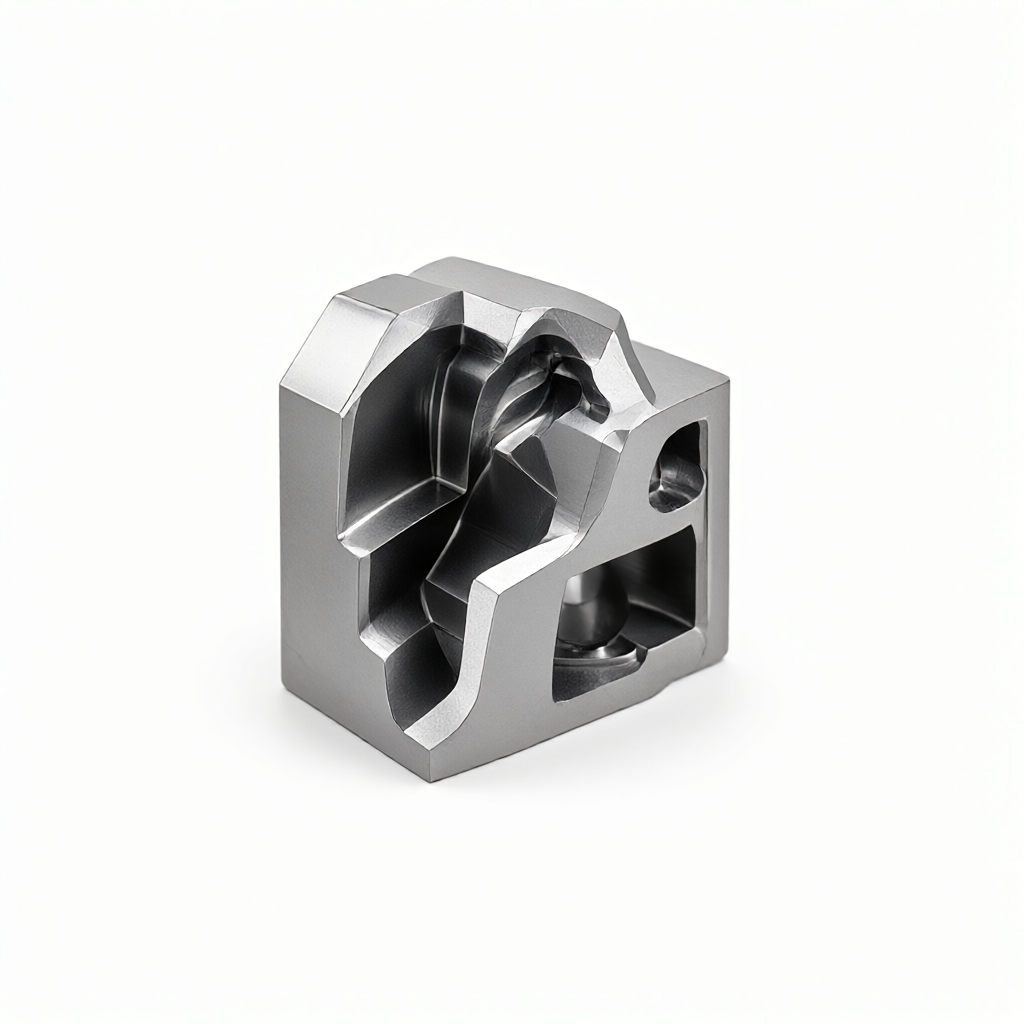
The core logic of carbide CNC machining and grinding coordination
Tungsten carbide (WC) hardness up to HRA 89-94, traditional cutting tools are difficult to effectively cut, so the industry generally adopts the "rough grinding + fine grinding" composite process route. In the precision parts customization scene, CNC grinding machine with special belt/grinding wheel, can balance material removal rate (MRR) and size stability. If ignoring grinding residual stress and thermal deformation control, subsequent assembly tolerance is easy to exceed. This paper analyzes the practical operation points of cemented carbide grinding fit from three dimensions: process path, parameter window and surface integrity, and helps engineers avoid common failures in DFM stage.
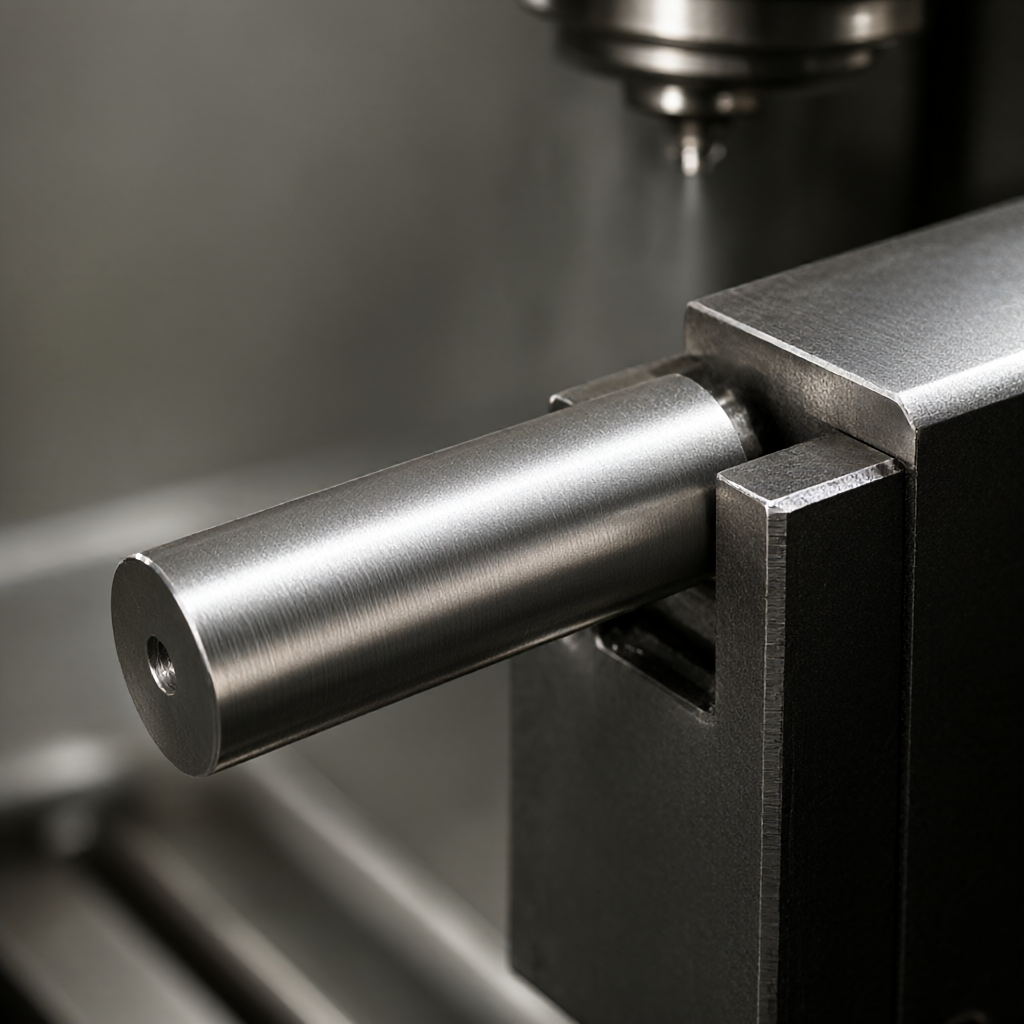
Process path selection: why grinding rather than cutting
Limitations of material characteristics on processing methods
Cemented carbide is composed of tungsten carbide grains and cobalt/nickel binder. Its fracture toughness is low, and it is easy to produce chipping and crack propagation during cutting. In contrast, grinding belongs to micro-cutting-extrusion compound process, and the cutting thickness of single abrasive grain is very small (usually