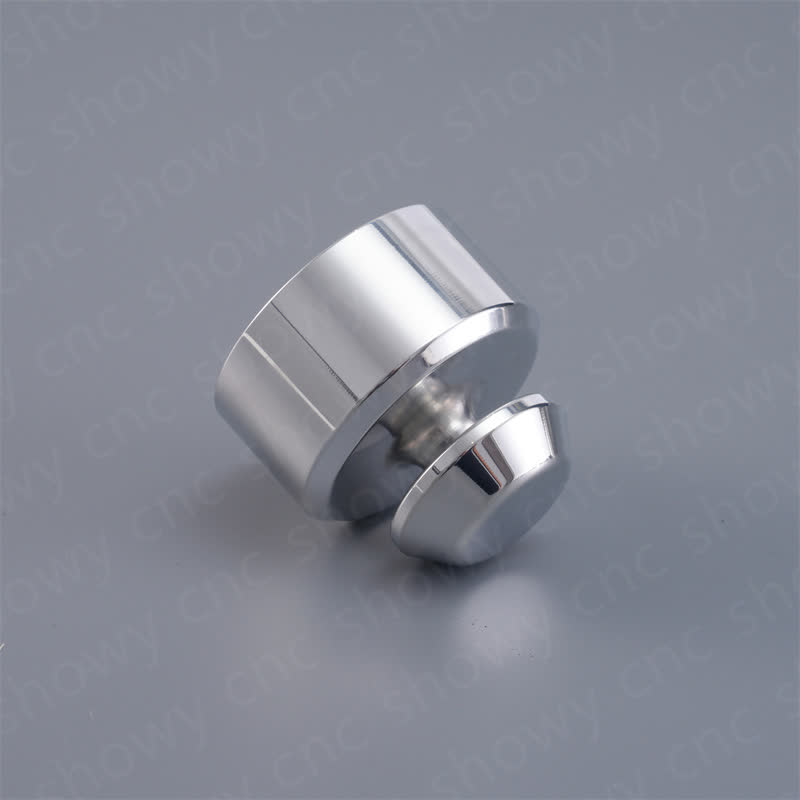


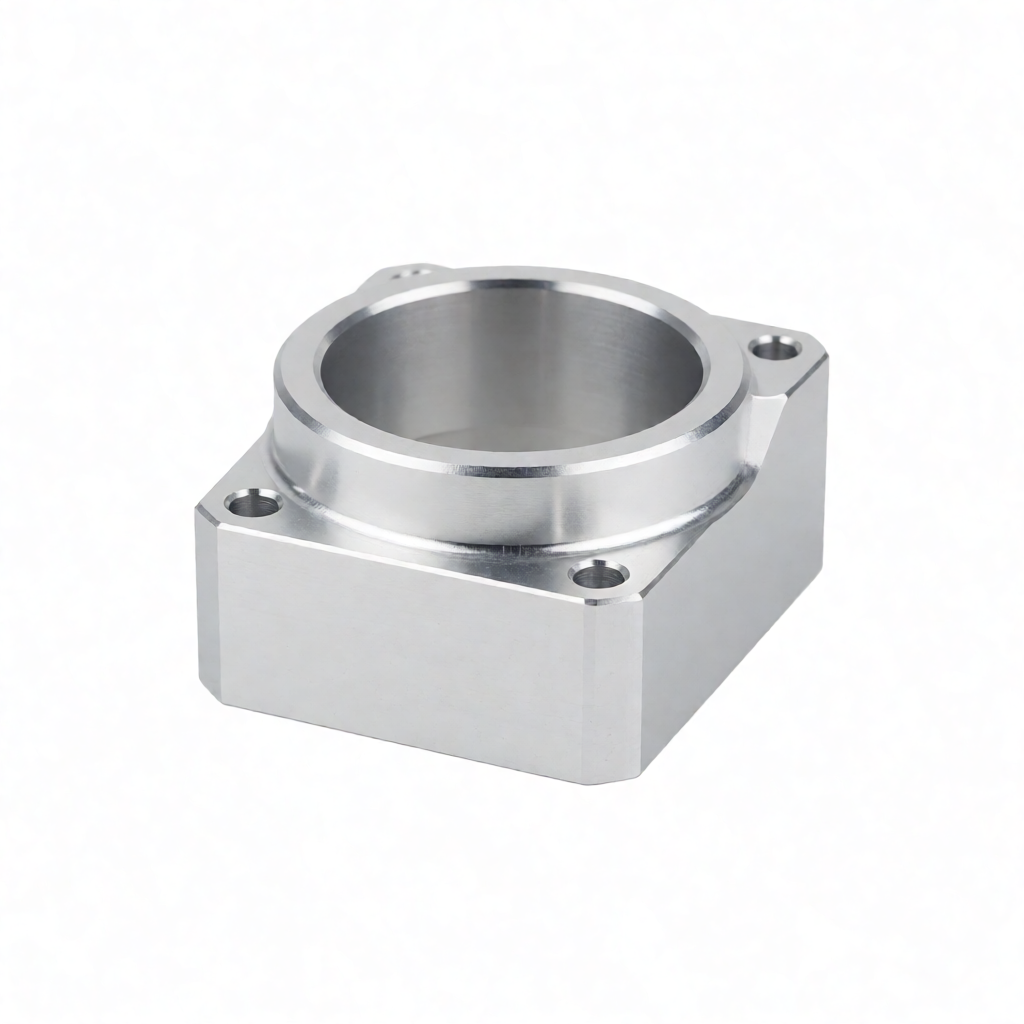
For engineers and technical procurement specialists purchasing fasteners in large volumes, the core of CNC machined fastener bulk production cost reduction strategies is not simply price bargaining, but reducing total cost through material selection optimization, process route integration, and quality stability control. Based on practical experience in precision manufacturing, this article outlines the full process cost reduction logic from design-side DFM optimization to mass production delivery. It provides actionable technical parameters and comparison schemes to help companies achieve a reasonable reduction in per-unit manufacturing cost while ensuring ±0.01mm precision and Ra0.4μm surface finish.
Analysis of Cost Composition in CNC Fastener Bulk Production
Many buyers focus only on "unit price" when requesting quotes, overlooking the hidden elements that truly impact total cost in fastener bulk production. Fastener structures are relatively simple; material cost typically accounts for less than 50%, while machining, surface treatment, and quality inspection constitute the main cost variables.
- Material loss rate: The stock allowance for turning and milling directly determines the scrap ratio. For small stainless steel fasteners, optimizing the blank shape can improve material utilization by 15%-20%.
- Machine time and tooling cost: In bulk production, the amortized machine hour rate and tool life management are key to cost reduction. Swissematic (turning and milling) machines can save over 40% in gripping and chip evacuation time compared to conventional lathes when machining short-diameter parts.
- Inspection and rework cost: Fastener failures often lead to batch scrapping or customer complaints. Establishing in-process patrol inspections and 100% outgoing inspection mechanisms shifts quality costs upstream, significantly reducing later-stage claim and line stoppage risks.
The first step in cost reduction is identifying "which process best suits your fastener structure." Simple axially symmetric parts are suitable for turning, while those with complex side holes or non-standard threads require turning-milling combination or CNC milling involvement.
Process Route Comparison: Turning, Milling, and Turning-Milling Combination
Selecting the correct machining process is the foundation of cost reduction. Different equipment has different applicable boundaries for fastener geometric features, size ranges, and surface quality. The following table compares the performance of three mainstream processes in fastener bulk production:
| Process Type | Applicable Fastener Characteristics | Precision and Surface Quality | Bulk Production Cost Advantages | Limitations |
|---|---|---|---|---|
| CNC Turning (Swissematic) | Low slenderness ratio (L/D2) | All features completed in single clamping; concentricity
« Previous
CNC Machining Challenges in Aerospace Titanium Components
Next »
Aluminum CNC Scheduling Strategy: Transitioning from Prototyping to Mass Production
Recommended Reading
Related ContentExplore more articles that may interest you.
Quote in 2 Hours
Send Your Drawing, Get a Quote in 2 Hours.Send your STEP / DWG / PDF drawing and our engineers reply within 2 hours with a detailed quote including free DFM analysis and process recommendations — no obligation. Send Us Your Drawing — We Handle the RestSend your STEP / DWG / PDF drawing and get a detailed quote with free DFM analysis and process recommendations within 2 hours. No minimum order — from 1 piece.
Live inquiries
|