





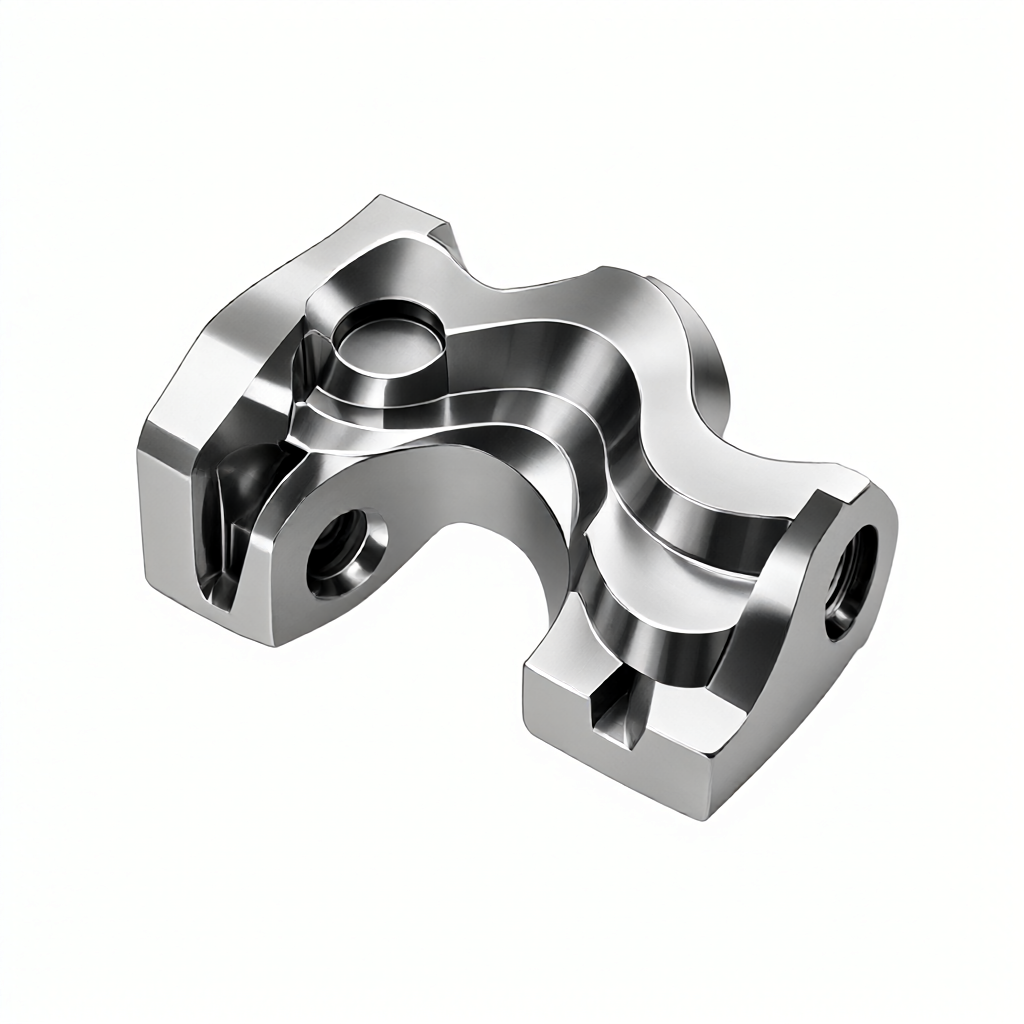
Flexible Fixture Selection and Tolerance Control for CNC Milling of Multi-Variety and Small-Batch Parts
aim atCNC milling multi-variety small batchIn production scenarios, traditional special fixtures often take longer than machining time due to long design and manufacturing cycles and high cost per set. Flexible fixture solutions, such as zero-point positioning system or modular soft jaws, can reduce the change time to minutes and significantly improve the equipment operation rate. The core lies in balancing clamping stiffness, positioning accuracy and versatility to ensure that deformation risks caused by clamping stress release are eliminated under the machining accuracy requirement of ± 0.01mm.
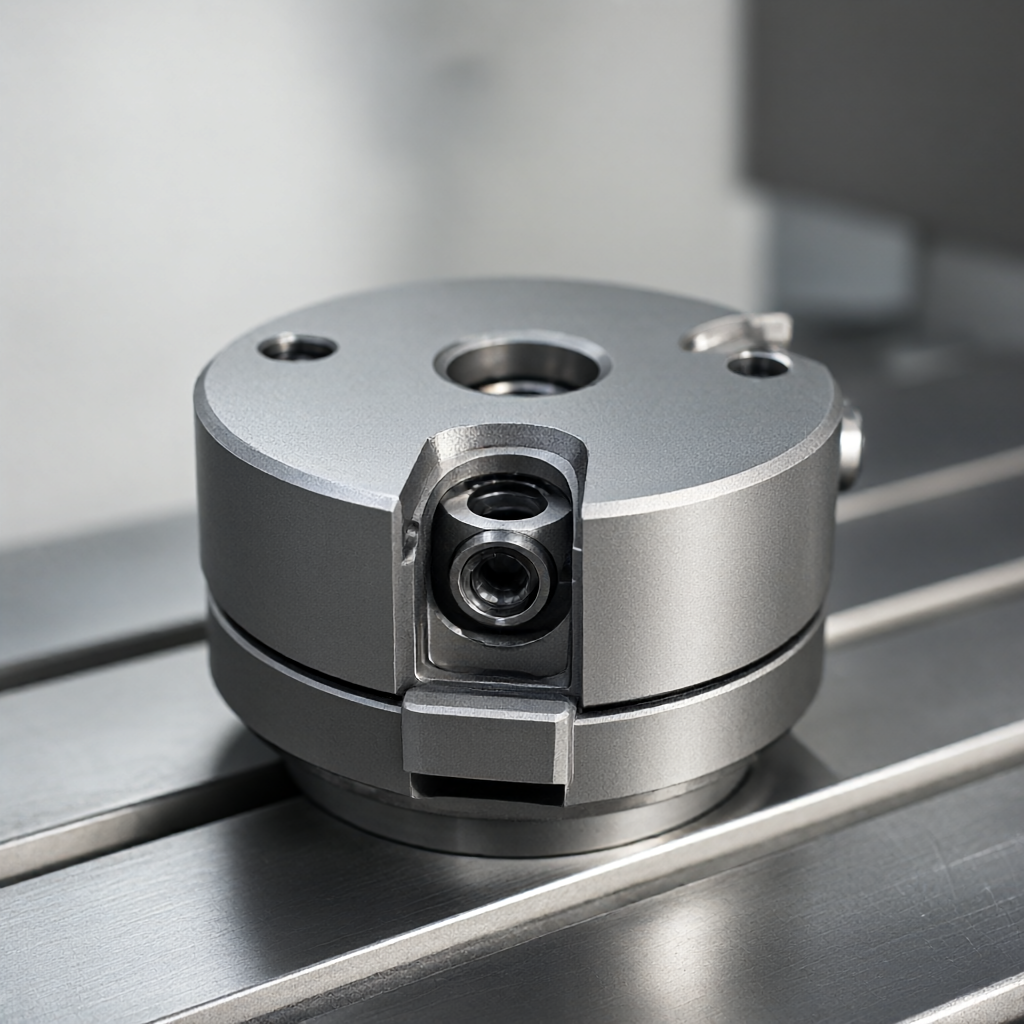
Clamping Pain Point and Failure Mode in Multi-variety and Small-batch Production
In the small batch production stage, the geometry of parts varies greatly, and the batch is usually less than 500 pieces. If the cast iron fixture is customized for each model, the cost of each piece is extremely high after the mold cost is amortized. In addition, when the thin-walled parts are clamped by the manual clamp, the local plastic deformation caused by the concentrated clamping force is often the root cause of the size out of tolerance. Common failures include: Accumulated errors in pin and hole clearance, clamping force decay due to spring collet fatigue, and systematic deflection due to misalignment of reference surfaces during mold change.
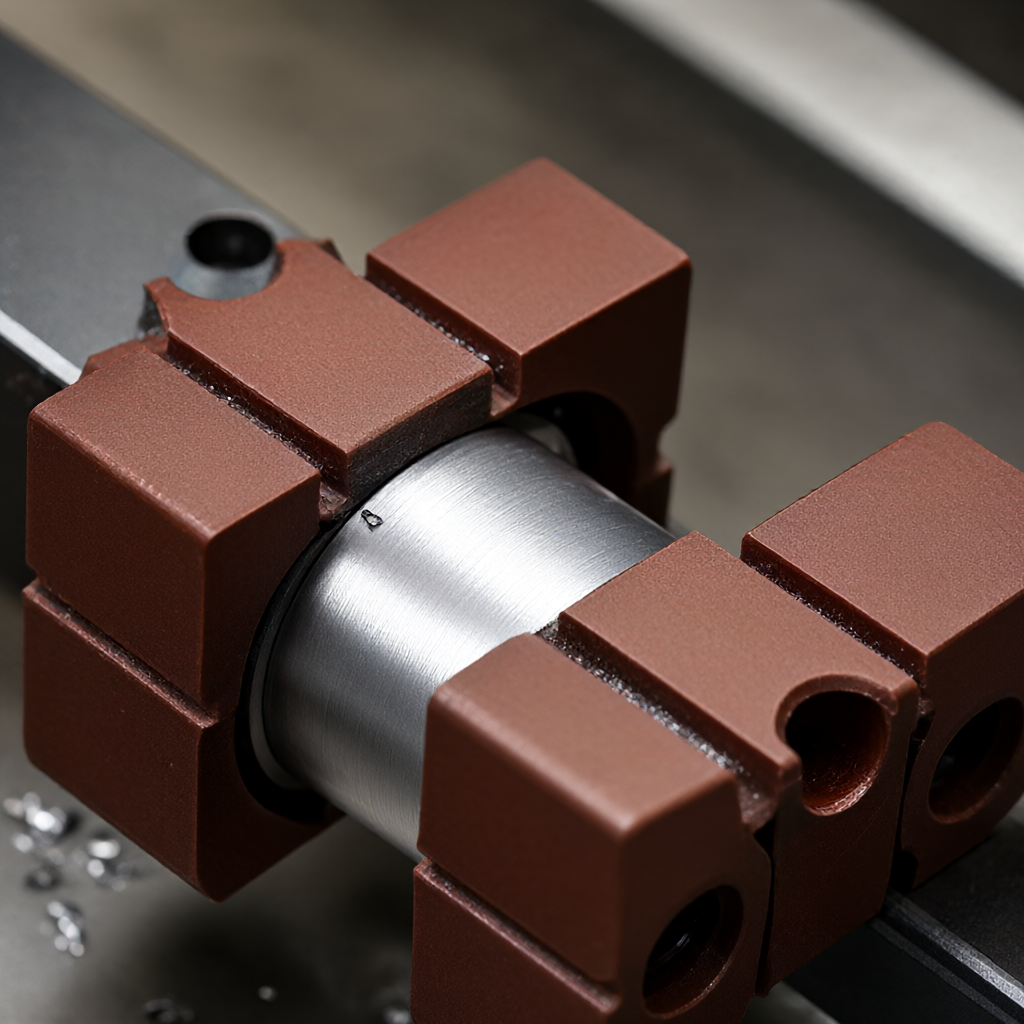
The solution is to shift from "custom hard constraints" to "modular soft constraints". By introducing adjustable support surfaces and quick-change interfaces, the same set of bases can be adapted to different workpiece profiles. This not only reduces fixture inventory pressure, but also allows field engineers to quickly adjust the process route according to drawing DFM recommendations.
Comparison of core advantages between zero positioning system and modular fixture
At present, the mainstream flexible solutions are divided into zero positioning system and quick-change module board. Zero system realizes positioning through pneumatic or mechanical self-locking mechanism, and the repeated positioning accuracy is usually controlled within ± 0.005mm. Modular soft clamping relies on soft claw cutting and dressing, and the fit to specific profiles is better. The following is a comparison of the two solutions on key parameters:
| dimensionality | zero positioning system | Modular soft claw/quick change plate |
|---|---|---|
| repeat positioning accuracy | ±0.005mm | ±0.01mm to ±0.02mm |
| Applicable workpiece characteristics | Complex space curved surface, multi-process continuous machining | Solid of revolution, simple profile, turn-milling complex |
| change time | 1-3 minutes/time | 3-5 Minute/time (including soft claw trimming) |
| initial investment | Higher (special quick-change plate required) | Medium (soft claws for repeatable cutting) |
| clamping rigidity | High (metal-to-metal self-locking) | Medium (dependent on soft claw material hardness) |
For parts with multiple processes (such as milling before turning, or 3-face machining), zero positioning is more advantageous, because it ensures the unity of the coordinate system between the various processes, without re-finding the edge. When machining simple rotary bodies, CNC lathes with soft claws are more economical, and the soft claw cutting allowance needs to be retained 1.5-2mm for repeated quenching.
DFM Engineering Key Points of Flexible Fixture Design
When designing flexible fixtures, the relationship between clamping force and cutting force of workpiece should be evaluated first. For thin-walled aluminum parts, it is suggested to introduce process bosses or counterbores in DFM stage as special positioning references to avoid directly relying on excircle centering. The flatness of installation surface of zero quick-change plate should be controlled within 0.02mm/300mm, and chip evacuation channels should be reserved to prevent chip accumulation from causing positioning surface lift.
In the tolerance distribution, the positioning pin and the positioning hole usually choose H7/f7 or H7/g6, both to ensure interchangeability, but also to avoid excessive installation stress. If vacuum adsorption is used as an auxiliary clamping, the adsorption force should be designed according to 1.5 times the maximum cutting load, and the tightness should be confirmed by vacuum test before machining. In addition, the weight of the fixture should be as light as possible to reduce the load on the spindle or workbench of the machine tool, which is especially important for 5-axis high-speed machining.
Precision Maintenance and Surface Quality Control
Although flexible fixture is flexible, the accumulated error of multi-link interface can not be ignored. In batch production, it is recommended to sample the full size every 20 pieces and verify the positioning consistency with CMM. If size drift is found, priority should be given to checking the wear of zero-point quick-change plate or positioning pin clearance, rather than blindly adjusting tool compensation.
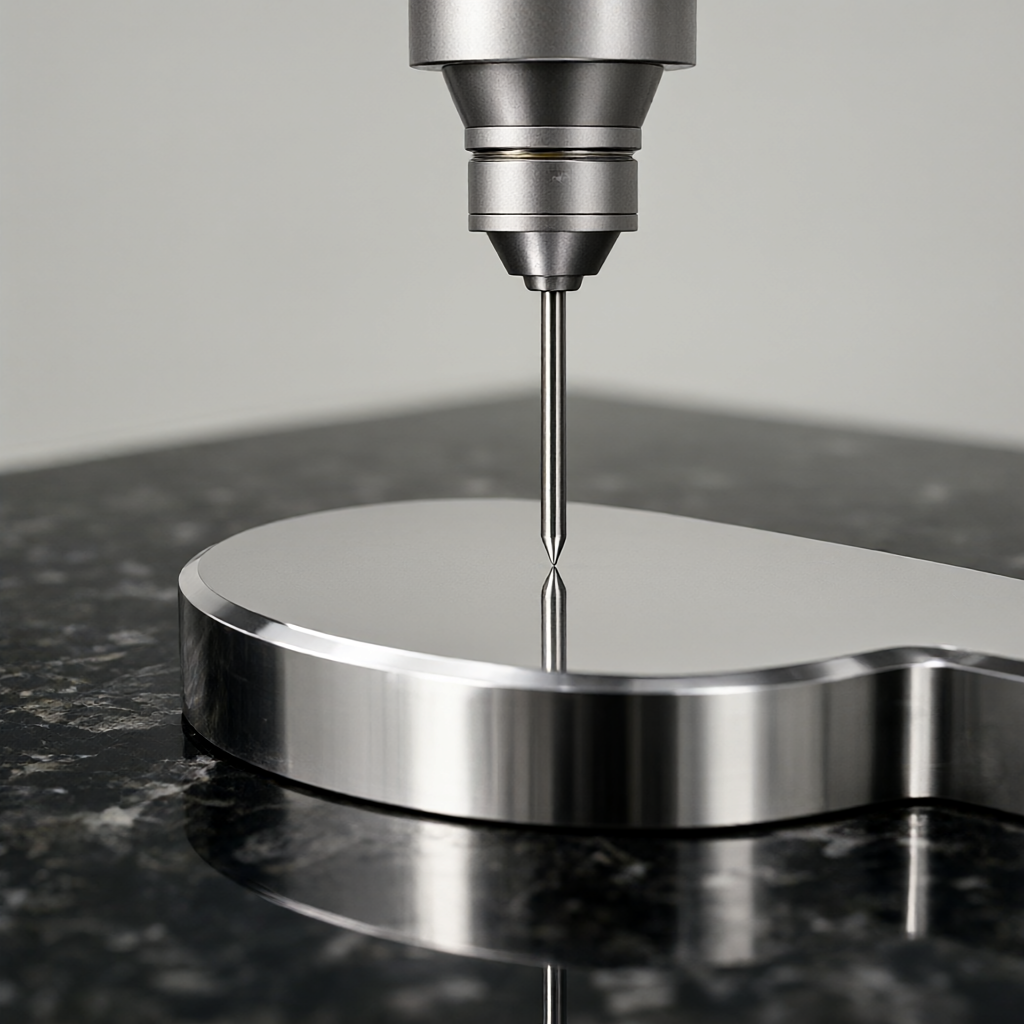
For high-gloss products, it is recommended to add a stress relief process before finishing or use polyurethane spacers at the clamping position. We perform a full inspection before batch shipment, including optical measurements and roughness meter testing, to ensure that the appearance is free of scratches and defects, and that batch consistency meets customer acceptance criteria.
Frequently Asked Questions
How to balance fixture cost and delivery time in multi-variety small batch CNC milling?
The universal zero positioning base is preferred, and different parts can be adapted by replacing the quick-change plate and positioning elements. The advantage of short prototyping cycle is that it can match the project node scheduling. The 15-25 day production delivery period requires the fixture to have rapid debugging capability.
Can the positioning accuracy of flexible fixture reach ±0.01mm stably?
Yes. The total error of the system can be controlled within ±0.01mm by regularly calibrating the zero point system, controlling the wear rate of the quick-change plate, and combining the accuracy of the machine tool itself. The key lies in establishing a point inspection system to monitor the wear of the positioning pin.
How to prevent clamping injury of thin-walled parts by using flexible fixture?
DFM suggests adding process auxiliary ribs to improve the deformation resistance of the workpiece itself.
When machining small shaft parts by centering machine, how to cooperate tail top with flexible fixture?
The centering machine itself has high rigidity. For parts with large aspect ratio, the tail top can be omitted and supported only by the front tool holder and flexible stop. For slender parts, the tail top needs to be equipped with floating mechanism to avoid over-constraint.
How to verify the stability of flexible fixtures in mass production?
Establish SPC process control chart to monitor critical size trends. Trigger fixture inspection immediately when mean shift occurs to check the wear status of locating pins, quick-change plates and soft claws, and conduct full size retest according to AQL standard.
Engineering Practice Conclusions and Action Recommendations
Flexible grippers are the key to breaking the "efficiency-cost" deadlock in CNC milling multi-variety small batch production. The choice of zero positioning or modular soft grippers depends on the geometric complexity and number of processes of the part. Through refined DFM design and strict process inspection, it can ensure ±0.01mm accuracy and achieve rapid delivery in 15-25 days. It is recommended that you send us drawings and material requirements (such as 6061 aluminum alloy, 304 stainless steel or engineering plastics), and engineers will provide you with comprehensive quotations and process suggestions including fixture schemes and surface treatments (anodizing, sandblasting, etc.).



