





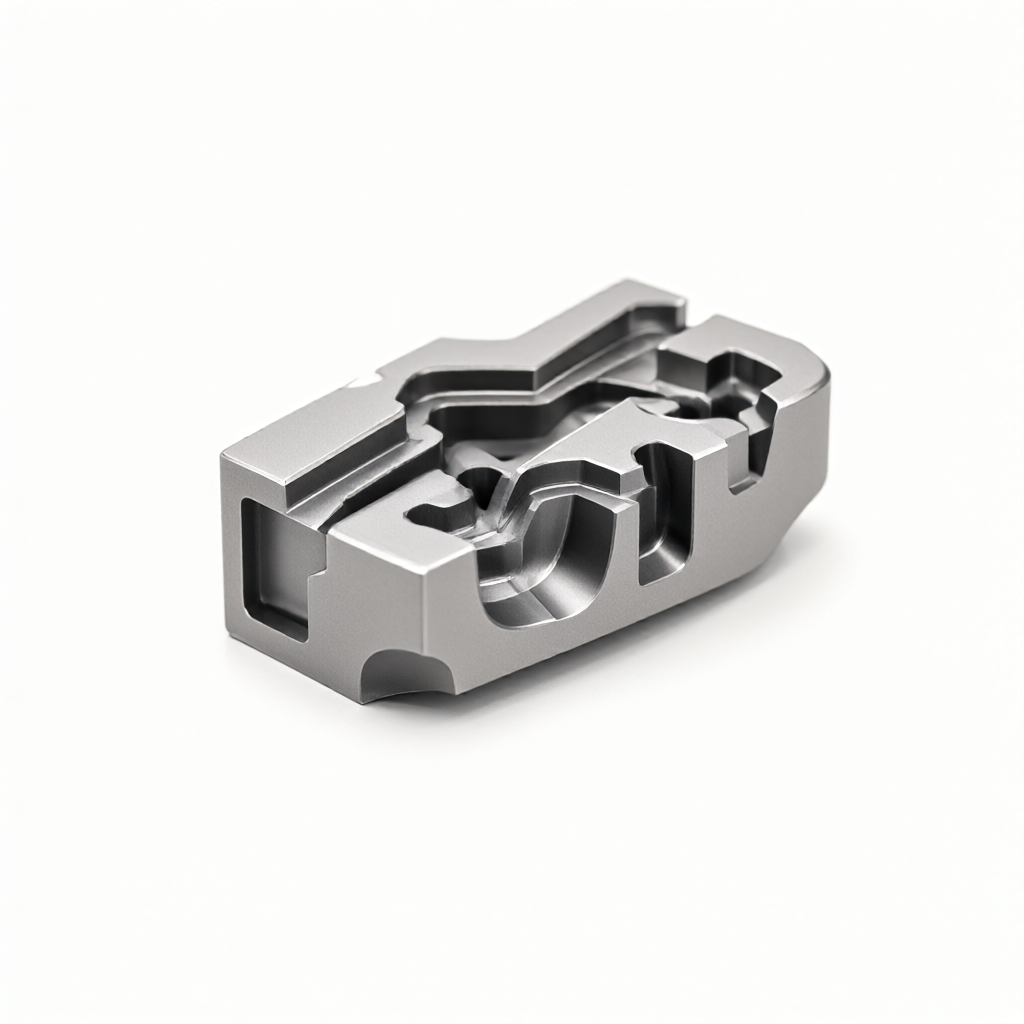
Physical Mechanism and Process Pain Points of Titanium Alloy Hot Deformation
titanium alloy (such as Ti-6Al-4V) elastic modulus is only 50% of steel, and thermal conductivity is weak, it is difficult to quickly dissipate the heat generated by cutting. Local temperature rise can reach more than 300℃, resulting in elastic recovery (tool) or plastic deformation of the workpiece. The thermal effect ignored in conventional aluminum steel processing will directly cause size over-tolerance on titanium alloy. Typical failure modes include: flatness deviation exceeding 0.02mm, aperture expansion and warpage after stress release. Engineers need to pay attention to the superposition effect of "low temperature temper embrittlement" of the material itself and the processing thermal cycle.
Common Failure Mode Analysis
- thermal residual stress: Rapid cooling leads to surface hardening and internal tensile stress, easy to initiate micro-cracks.
- recovery of elasticity: After removing the cutting force, the workpiece rebounds in the direction of the tool, causing the groove or hole to be small.
- tool adhesive wear: Titanium and tool diffusion wear occurs at high temperature, and surface roughness deteriorates.
Tool Material and Cutting Parameters Optimization Strategy
The first line of defense to control deformation is to reduce cutting force and friction heat. It is recommended to use cobalt-containing cemented carbide (K class) or solid cemented carbide milling cutter, and the cutting edge is coated with TiAlN or AlCrN. The key parameters should be significantly lower than conventional metals: feed rate is recommended to be controlled at 0.1-0.2 mm/z, and cutting speed is adjusted to 50-100 m/min according to tool diameter. Dry cutting will aggravate heat accumulation, recommend the use of high-pressure micro-lubrication (MQL) or wet cooling, cutting fluid needs to have high penetration, direct to the cutting area to quickly cool down.
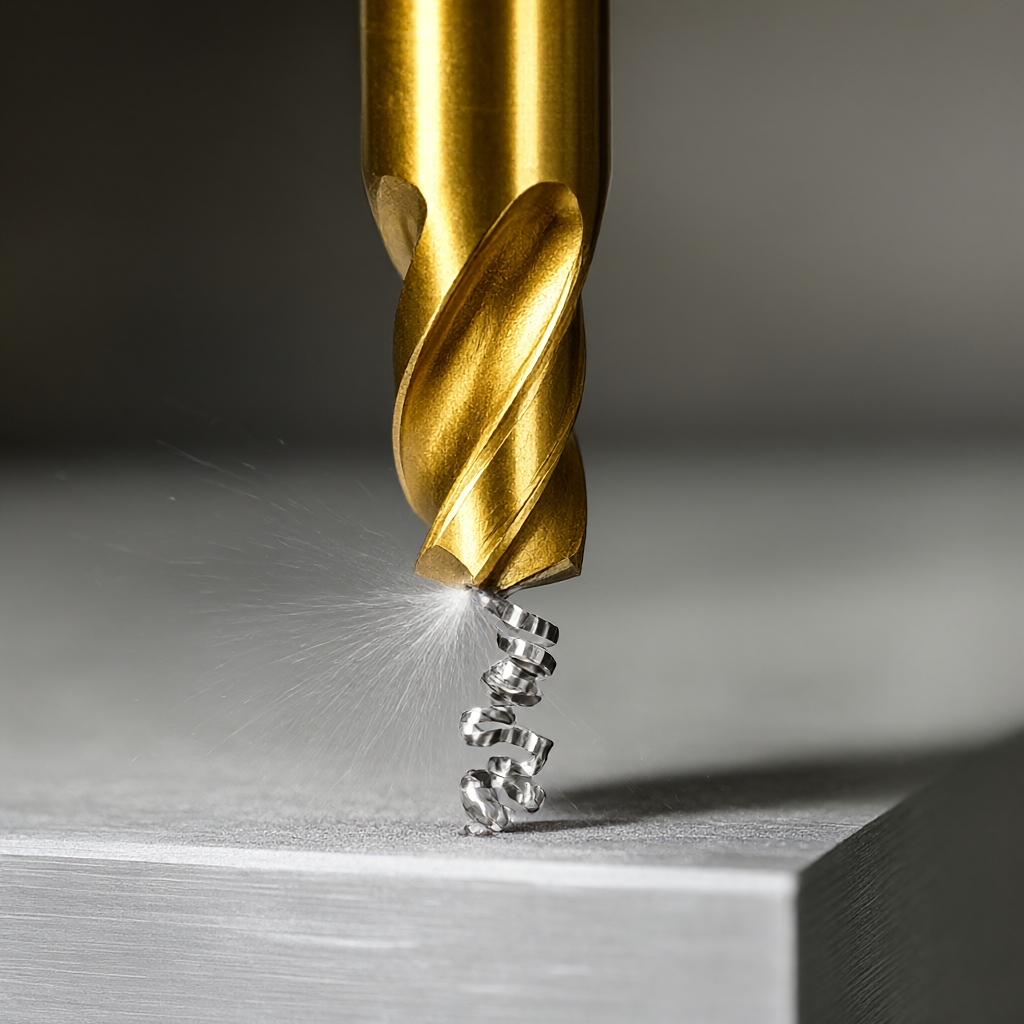
In 5-axis machining, the copying strategy of "small pitch, multiple tool paths" is adopted, and the side undercut is kept less than 0.3 times the tool diameter, so the radial force can be greatly reduced and the deformation can be restrained.
Fixture Design and Thermal Compensation Engineering Practice
Flexible clamping is the key to prevent deformation. Titanium alloy hardness is low (HRC 32-36), mechanical clamping is easy to produce indentation. Engineering recommended vacuum adsorption, pneumatic soft claw or special custom tooling. If using mechanical clamping, need to increase the cushion (such as copper or aluminum gasket) to disperse pressure. More importantly, thermal compensation: After processing, the workpiece needs to stand for more than 24 hours, wait for stress balance and temperature stability before fine grinding or testing, otherwise thermal deformation data can not be traced.
Comparison of different processing technology schemes
| process type | applicable scenarios | advantage | Limitations/Risk Control |
|---|---|---|---|
| 5-axis simultaneous milling | Complex curved surfaces, aerospace structural parts | One-time clamping, high precision, reduce accumulated error | Programming is complex, tool interference needs simulation verification |
| CNC turning (centering) | Slender shaft, small shaft parts | Good support, small deformation, fast beat | Revolutions only, complex sides cannot be machined |
| Wire Cutting (EDM) | Hard titanium alloys, complex profiles | No cutting force, no heat affected zone (HAZ) | Low efficiency, micro-arc burn and secondary polishing |
For titanium alloy parts with complex shapes and high precision requirements, ShowyMetal usually uses 5-axis rough milling to remove margins, with centering machine or 4-axis fine turning key size, and finally through 3-D inspection. This hybrid process path effectively balances efficiency and form tolerance.
Effect of surface treatment on size accuracy
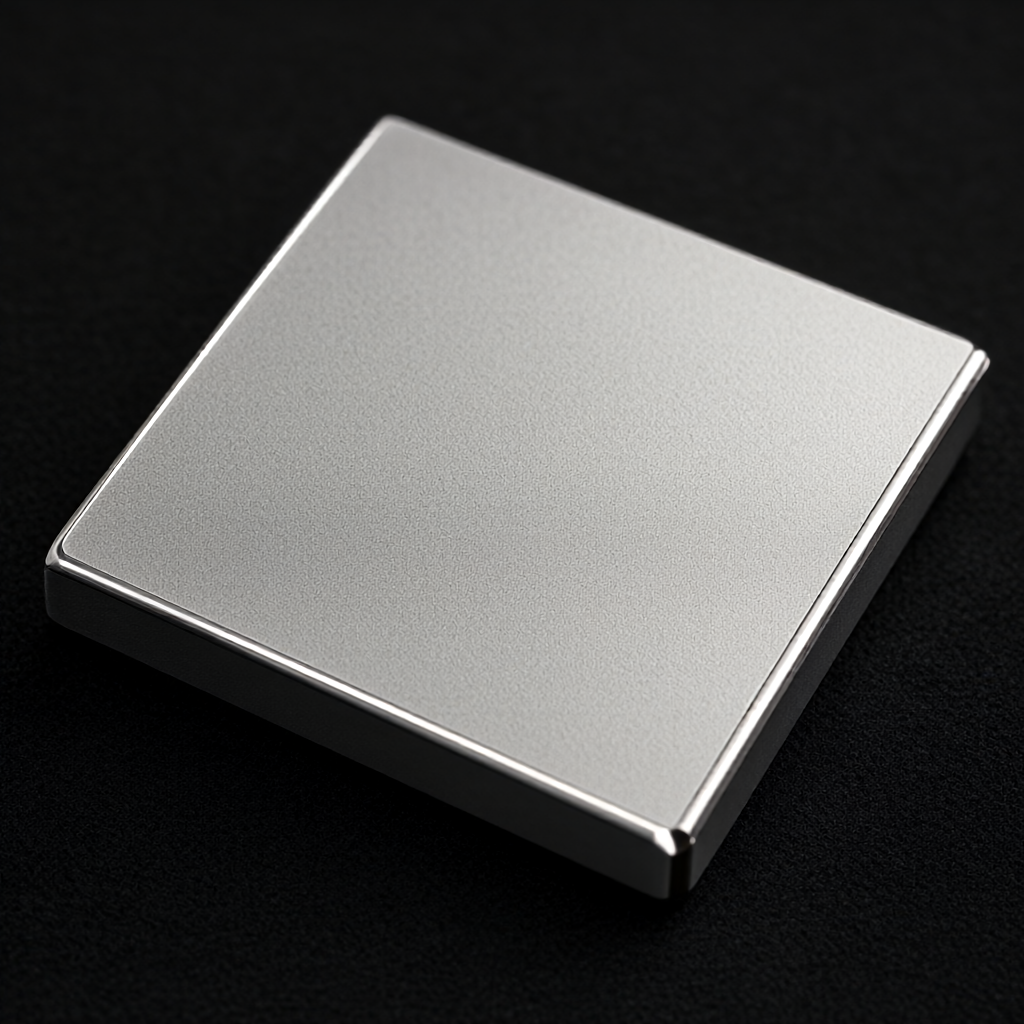
Anodic oxidation film thickness is usually 15-25μm, if the design does not reserve margin, the film will lead to parts size out of tolerance. It is recommended to specify the "before oxidation size" or "after oxidation size" in the drawings. Sandblasting and electroplating are the same, need to reserve 0.05-0.1mm process margin. In addition, high brightness surface treatment requires the substrate itself Ra to reach 0.8μm or less, otherwise the grain can not be reflected, so the cutting grain control of the previous milling is very important.
Quality inspection and batch consistency control
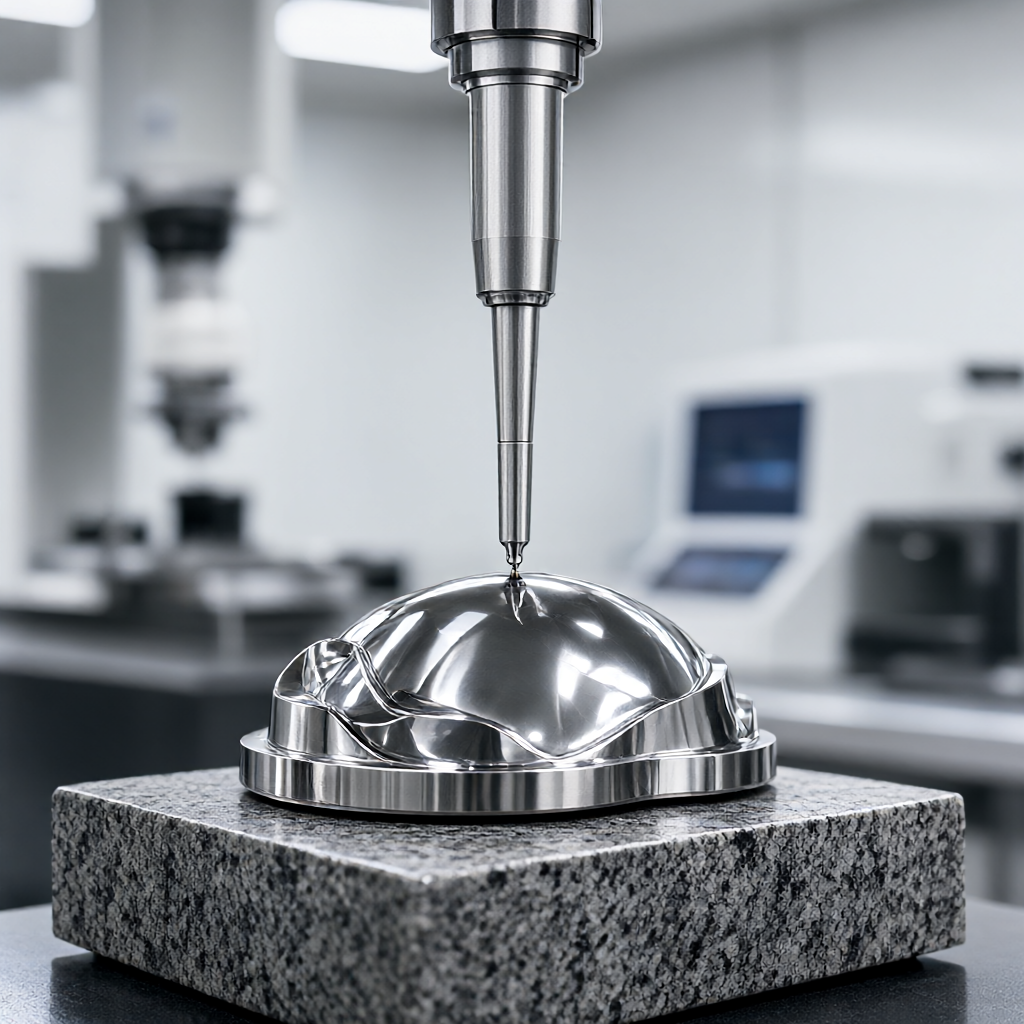
Titanium alloy lot-to-lot material hardness fluctuations can lead to fine tuning of cutting parameters. ShowyMetal strictly follows the first article validation process when performing mass production: full size inspection using coordinate measuring machines (CMM) and surface condition evaluation in conjunction with roughness meters. For thermal deformation, 100% full inspection is performed prior to shipment to ensure data traceability. For aerospace grade applications, each lot of material comes with a Mill Cert to ensure elemental content meets ASTM or AMS standards.
Frequently Asked Questions (FAQ)
How to carry out heat treatment after titanium alloy processing to eliminate stress?
Usually stress annealing (550-650℃ for 2 hours) is performed before finishing, but if finishing has been performed, residual stress should be relieved by slow temperature aging (350℃) to avoid cracking caused by direct quenching.
How to avoid titanium alloy milling when the "tool" phenomenon?
Elastic recovery can be effectively suppressed by increasing the system rigidity (using integral tools), reducing the feed rate to 0.05-0.1mm/z, and using a smaller side cut (such as 0.05mm) for multiple passes during finish machining.
Can titanium alloy parts be galvanized directly?
Not recommended. Titanium surface passivation film is very strong, plating adhesion is poor and easy to hydrogen embrittlement. Usually use vacuum evaporation (PVD) or anodization instead, if you must plating, you need to first carry out pickling and electroless nickel plating primer.
Why titanium alloy coolant can not be arbitrarily replaced brand?
Titanium is sensitive to chloride and can easily cause stress corrosion cracking. Chlorine-free formulations must be used, and differences in grease composition between different brands will affect the surface microscopic quality. It is recommended to maintain coolant consistency in the same batch.
How to ensure consistency between 72 pieces of equipment in mass production?
Through SOP and tool life management system, each machine executes the same cutting parameters and cooling flow rate. Use three-coordinate data feedback to adjust tool compensation value to ensure stable size distribution (Cpk) of parts produced by different machines.
Conclusion and Collaborative Guidance
Titanium CNC milling is not only a cutting problem, but also a system engineering of thermodynamics and materials science. Through precise control of cutting heat, optimization of fixture rigidity and strict post-treatment process, ShowyMetal has a 72 CNC machine cluster to support one-stop delivery from design DFM proposal to final anodization. Batch delivery time of 15-25 days can meet most project node requirements. If you have high finish or complex surface requirements for titanium alloy structural parts, please provide drawings or 3D models for process evaluation and quotation.



