





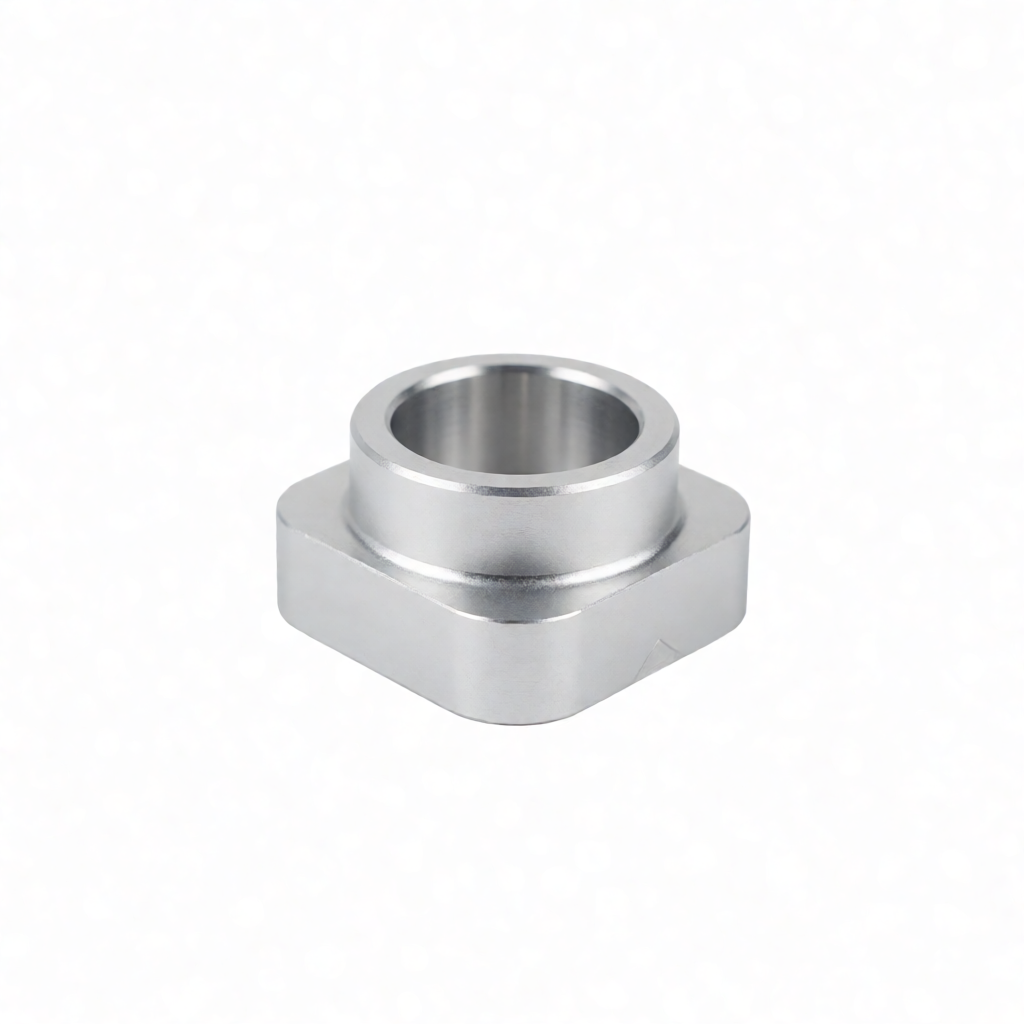
In precision medical device manufacturing, the cleanliness requirements for CNC machined medical device parts directly determine product biosafety and clinical compliance. For engineers and procurement specialists, understanding cleanroom classifications, particulate control standards, and the impact of surface finishing on cleanliness is key to ensuring batch pass rates. This article draws on ISO 14644 and USP 61/62 standards to provide an in-depth analysis of the full-process cleanliness control logic—from material selection to final inspection—helping you establish quantifiable acceptance criteria.
Core Definitions and Standard Basis for Cleanliness of CNC Medical Device Parts
“Cleanliness” for CNC machined medical device parts is not a single metric but a comprehensive system composed of surface contamination control, particulate residue management, and process cleanroom environment. The core basis primarily includes the following international standards:
- ISO 14644: Defines cleanroom classifications (Class 5 to Class 8) and specifies upper limits for particulates ≥0.5μm and ≥5.0μm per unit volume. Medical implants are typically final-assembled or precision-machined in Class 7 or higher cleanliness environments.
- USP 61/62: Pharmacopeial general chapters that prescribe particulate contamination control for water for injection and pharmaceutical production. Although primarily targeted at liquids, their particulate counting methods (e.g., light obscuration) are frequently adopted by the medical device industry for verifying part cleanliness.
- ISO 11137/ISO 11135: Radiation sterilization validation standards that indirectly require initial bioburden and chemical residues on parts to be kept at controlled low levels prior to sterilization, ensuring sterilization dose efficacy.
For non-implantable external device components, full-component production in a Class 10,000 (or equivalent) cleanroom is generally not required. However, critical mating or contacting surfaces must meet specific non-visible particulate contamination and ionic residue detection requirements. During procurement, clearly distinguish between “production environment cleanliness” and “part surface cleanliness” to avoid paying high costs for unnecessary environmental specifications.
Key Process Stages Affecting CNC Machining Cleanliness
Cleanliness control failures often originate from contamination introduced during machining rather than the environment itself. The following three stages are the primary sources of particulates and chemical residues:
Chucking and Cooling Methods
Traditional water-based cutting fluids easily leave oil residues and microorganisms; if not thoroughly cleaned, they become interference sources for subsequent sterilization. For parts with high cleanliness requirements, it is recommended to adopt dry machining or Micro-Quantity Lubrication (MQL) technology. MQL uses compressed air to carry a minimal amount of (typically



