

The maintenance of coolant bacteriostasis system in CNC machining of medical devices is a key link to ensure the surface cleanliness and batch consistency of precision parts. If the coolant is in a high microbial load state for a long time, it is easy to cause bacteria breeding, odor and surface contamination of parts, which directly affects the subsequent aseptic packaging and use safety of medical implants, surgical instruments and other products. This paper gives the executable maintenance scheme from four dimensions: material selection, pH value management, liquid change logic and online monitoring, and attaches parameter comparison table and acceptance points to help engineers and purchasers stabilize cutting and cooling effects in batch production, and reduce tool wear and part scrap rate.
Basic principles of bacteriostatic selection of cooling fluid for CNC machining of medical instruments
In CNC machining of medical devices, coolant is not a simple substitute for ordinary industrial cutting fluid, and its antibacterial ability must meet the cleanliness requirements of medical scenes. When selecting, priority should be given to the biological stability of base oil and the type of rust inhibitor, avoiding the use of volatile and easily oxidized components that produce odor. For stainless steel, titanium alloy and other difficult-to-cut materials, the extreme pressure performance and lubricity of the coolant need to match, otherwise in 5-axis milling or turn-milling compound machining easy to appear workpiece surface strain and tool wear aggravation. Bacteriostatic agents usually choose non-halogenated, non-allergenic broad-spectrum bacteriostatic agents, concentration control in 0.1%-0.3% can effectively inhibit common gram-negative bacteria and mold. Traditional rust inhibitors containing zinc and lead should be avoided in medical grade applications because they may remain on the surface of parts. Molybdate or organic phosphonate rust systems should be used instead. It is recommended that suppliers provide bacteriostatic agents for common medical microorganisms when selecting.(e.g. Staphylococcus aureus, Escherichia coli, Pseudomonas aeruginosa) and confirm that it remains active in the pH range of 8.5 - 9.5. Refer to our surface treatment process instructions for coolant compatibility with subsequent cleaning to ensure that the bacteriostatic ingredients do not adversely react with subsequent anodizing or blasting processes.
Correlation between pH value and microbial load and its control interval
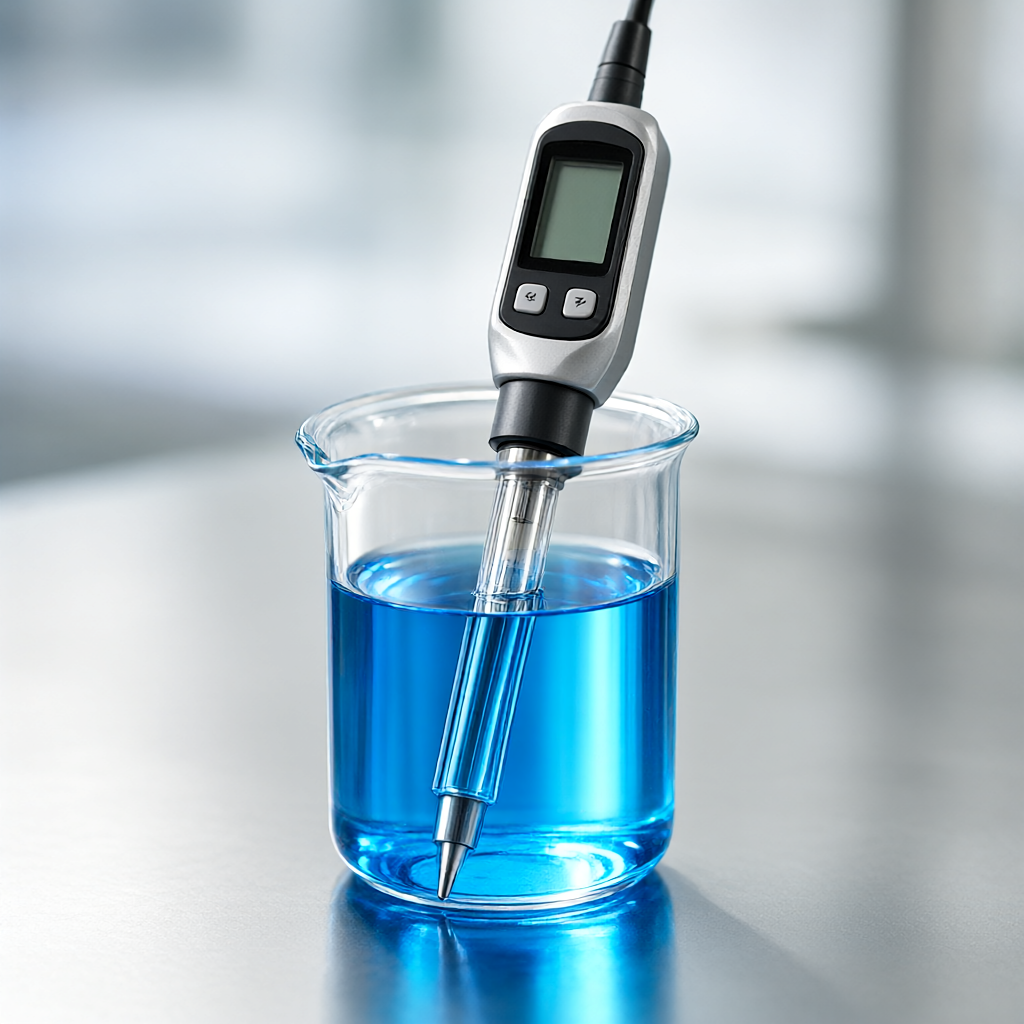
The pH value of coolant is the core indicator of whether the bacteriostatic system is effective. In CNC machining of medical devices, most of the bacteriostatic agents of water-soluble cutting fluids have strong bacteriostatic effect at pH 8.5 - 9.5. When the pH value drops below 8.0, some quaternary ammonium salts will be inactivated rapidly, and the microbial reproduction rate will increase exponentially. Therefore, daily inspections must use pH test paper or portable pH meter to detect concentrated solutions and working solutions, record values and establish trend charts. The pH value of the working solution is affected by metal ion pollution, acid additive decomposition, microbial metabolism and other factors, and the weekly fluctuation usually does not exceed 0.3 units. If the pH value is lower than 8.2 for three consecutive days, even if there is no odor, it should be supplemented immediately.(such as ammonia or sodium bicarbonate) to 8.5 or above, and simultaneously check whether there is leakage or mixed foreign matter. For the scene where multiple machines share a centralized liquid supply system, the coolant circulation path of each machine tool is independent but the concentrated liquid tank is shared. At this time, the local difference in pH value is often due to the different metal chip deposition of each machine tool, which needs to be managed separately according to the machine tool. pH control is not only for bacteriostasis, but also directly related to the surface passivation state of stainless steel 304/316L parts to avoid pitting risk.
Quantified Judgement of Coolant Change Cycle and Pollution Load
In CNC machining of medical devices, it is recommended to determine the total number of microorganisms in the coolant once every two weeks, using plate culture method or rapid counting method. The judgment standard is: total bacteria ≤ 5000 CFU/mL, fungi and yeast ≤ 500 CFU/mL. If the test exceeds the standard twice in a row, even if the pH value is normal, it must be stopped immediately to change the liquid, and thoroughly clean and dry the internal pipelines, nozzles and liquid storage tanks of the machine tool. Before changing the liquid, confirm the batch number and production date of the new coolant to avoid oxidation of the base oil caused by overstock. For machines running continuously for more than 48 hours in batch production, metal particles such as iron filings and aluminum filings in the coolant will increase significantly. Although it does not directly promote microbial growth, it will form biofilm adhesion matrix and indirectly increase local microbial load. Therefore, the fluid replacement cycle is also related to the automatic chip removal efficiency of the machine tool. If the chip extractor fails to be cleaned in time, the fluid replacement cycle should be shortened from 30 days to 15 days. After each fluid change, the first batch of parts shall be tested for full size and surface roughness as the first part, and batch production shall be resumed only after confirming that there is no abnormality. Please refer to our incoming inspection and first part confirmation process description for specific implementation standards of first part inspection after fluid change.
Common failure modes and avoidance strategies of coolant bacteriostatic system
In actual production, the failure of bacteriostatic system is often not a single factor, but the result of multiple causes. Common failure modes include: bacteriostatic over-dilution leading to concentration lower than MIC value, anaerobic environment formed in the dead corner of cooling liquid pipeline to breed bacteria, high temperature of centralized liquid supply system in summer leading to storage tank temperature exceeding 25 ℃ to accelerate microbial reproduction, and incompatibility of components caused by mixing of different batches of concentrated solution. In terms of avoidance strategy, first of all, establish a daily quick inspection system for coolant concentration. Monitor the working fluid concentration with a refractometer or conductivity meter to ensure that it is not lower than the minimum working concentration recommended by the supplier. Secondly, the pipeline design should avoid horizontal straight pipe sections. All dead corners should be equipped with flushing valves. Sample and detect the end of the pipeline once a month. For centralized liquid supply system, the storage tank shall be equipped with circulating stirring and temperature monitoring. When the ambient temperature is high in summer, the stirring frequency can be adjusted to be higher or a simple cooling coil can be installed to control the temperature of the tank liquid within the range of 20 ℃-25 ℃. Mixing different brands of concentrated solutions is a high-risk behavior. Due to the compatibility differences between various bacteriostatic systems and rust inhibitor formulations, precipitation, stratification or bacteriostatic failure may occur. It is strictly prohibited to mix before full compatibility testing. After a failure occurs, do not solve it by changing the fluid alone. You must trace the part lot during the failure and evaluate whether additional surface cleaning or retesting is needed to avoid contamination spreading to downstream processes.
Comparison of bacteriostasis and maintenance cost of different coolant solutions
When choosing a coolant solution, trade-offs need to be made between bacteriostatic effectiveness, maintenance frequency, part surface quality and total cost of ownership. The following table compares the suitability and maintenance points of three common solutions in CNC machining of medical devices:
| scheme type | main feature | Bacteriostasis and maintenance points | Applicable scenarios and limitations |
|---|---|---|---|
| Semi-synthetic cutting fluid (containing special bacteriostatic agent) | Oil concentration 5%-10%, good lubrication and cooling balance, biological stability better than full water solubility | Antimicrobial concentration 0.2%-0.3%, pH 8.5 - 9.5, 20 - 30 days change cycle, weekly microbiological testing | Suitable for stainless steel, titanium alloy precision milling and turning, surface cleanliness easy to control; high cost, need to prevent dilution failure |
| Fully water-soluble cutting fluid (oil-free formulation) | No mineral oil, less residue on the surface of parts, easy to clean, good environmental protection | Antimicrobial agents need to be added to 0.3%-0.5% to compensate for the bacteriostatic auxiliary effect of oil-free matrix, pH 9.0 - 9.5, liquid exchange cycle 15 - 20 days, biweekly microbial testing | Suitable for implant processing with high surface cleanliness requirements, heavy bacteriostatic burden, high maintenance cost, slightly faster tool wear |
| Trace oil (MQL) or dry cutting supplemented by aerosol cooling | No liquid tank, fundamentally eliminate microbial breeding environment, maintenance is minimal | No coolant bacteriostasis issues, but concerns about aerosol collection and emission compliance, tool life needs to be evaluated separately | Suitable for rough machining or light cutting of steel, titanium alloy and other materials, not suitable for high-precision cavity milling or complex curved surfaces, limited cooling capacity |
When selecting a scheme, it is necessary to combine the requirements of part materials and machining accuracy. Semi-synthetic solution is the balance choice in batch processing of most medical grade metal parts; fully water-soluble solution is suitable for implants with strict requirements on cleanliness;MQL or dry cutting is suitable for non-finishing stage of specific materials, which can be used as auxiliary means, but it cannot completely replace the bacteriostasis and cooling function of coolant in finishing. No matter which scheme is selected, corresponding maintenance files and test records must be established to ensure that the bacteriostatic system can be traced and rechecked.
Acceptance criteria of coolant bacteriostasis system and shipping correlation
In CNC machining of medical devices, the bacteriostatic state of coolant is not only the maintenance index of the machine, but also directly affects the surface quality and cleanliness acceptance of the shipped parts. During acceptance, in addition to the conventional three-coordinate size detection and roughness meter measurement, the microbial detection record of coolant should be added as a part of the batch quality file. If the parts in the batch are processed during the period when the coolant microorganism exceeds the standard, even if the size is qualified, the surface cleanliness may not meet the medical requirements, and additional cleaning and re-testing are required. It shall be specified in the acceptance criteria that the total number of microorganisms in the coolant is qualified twice in succession (bacteria ≤5000 CFU/mL, fungi ≤500 CFU/mL), and the pH value is within the range of 8.5 - 9.5, the surface cleanliness of the batch of parts can be judged to be controlled. For parts with post-treatment processes such as anodizing, sandblasting or electroplating, whether the bacteriostatic residue in the coolant affects the adhesion and color consistency of the subsequent film layer should also be verified at the first article qualification stage. Before shipment, it is recommended to archive the coolant maintenance records (including liquid replacement date, pH curve, microbial test results, and bacteriostatic supplement records) along with the part batch for customer inspection or system audit. First article inspection and process inspection ensure that the coolant bacteriostatic system operates under control, which is an effective means to reduce the risk of batch return. Please refer to our process inspection and shipment inspection standards for information on the associated nodes between each process and coolant maintenance.
Frequently Asked Questions (FAQ)
How often do you need to add coolant bacteriostatic agents in CNC machining of medical devices?
The concentration of the working solution is usually monitored every 5 - 7 days with a refractometer or conductivity meter. If the concentration is lower than the recommended lower limit (e.g., semisynthetic solution is less than 8%), the concentrated solution and bacteriostatic agent should be added immediately. The frequency of supplementation depends on the processing intensity of the machine, the amount of chips brought in and the high temperature environment in summer. In summer, it can be shortened to once every 3 - 4 days.
Does odorous coolant mean that it must be changed immediately?
Odor is a strong signal of microbial metabolites, but it is not a reliable criterion. If the odor is slight and the microbial test is qualified, increase the stirring frequency and add bacteriostatic agents for observation for 48 hours; if the odor is obvious or the test exceeds the standard, it must be stopped immediately to change the liquid and clean the pipeline, so as to prevent the pollution from spreading to the parts in process.
Can different brands of coolant concentrate be mixed?
It is strictly prohibited to mix directly without compatibility test. There are differences in the formula of base oil, rust inhibitor and bacteriostatic agent of different brands. Mixing may lead to precipitation, stratification or bacteriostatic failure. If you need to switch brands, you should first conduct small batch mixing test to observe whether phase separation, abnormal viscosity or pH fluctuation occur within 7 days. After confirming stability, you can fully switch.
How much does the temperature of the storage tank of the centralized liquid supply system affect the bacteriostatic effect?
The effect is significant. The microbial reproduction rate increases exponentially with temperature. When the temperature of the storage tank exceeds 25℃, the amount of bacteriostatic agent should be increased to 1.5 times of the conventional concentration, and the stirring frequency should be increased. When the ambient temperature is high in summer, it is recommended to install cooling coils or adjust the start-stop frequency of circulating pumps to stabilize the tank temperature at 20℃-25℃ to maintain the bacteriostatic activity and oxidation stability of base oil.
What tests do you need to re-test the first batch of parts after a fluid change?
The first batch of parts after liquid replacement shall be tested for full size (three-dimensional coordinates), surface roughness review (Ra0.4μm target value) and appearance inspection (no scratches, no defects, high gloss surface confirmation) as the first part, and visual inspection for surface cleanliness shall be added. Batch production shall be resumed after no abnormality is confirmed, and the test data of the first part shall be recorded as part of the quality file of this batch.
Conclusions and recommendations for action
The maintenance of coolant bacteriostasis system in CNC machining of medical devices is a systematic project, involving multiple links such as type selection, pH control, liquid replacement cycle, online monitoring and failure avoidance. Any link out of control may affect the surface cleanliness and batch consistency of parts. It is recommended to include coolant maintenance in daily inspection list and quality archives, and regularly review microbial test data and pH curve to ensure that the bacteriostasis system always operates in a controlled state. If you are looking for a workable solution for coolant management in mass production, or need coolant recommendations for specific materials (e.g. 316L stainless steel, titanium alloy) and processes (5-axis milling, turn-milling compound), please send us drawings and process parameters for enquiry. We can provide one-stop customized machining support including DfM recommendations, surface preparation and inspection shipments based on existing equipment and process capabilities.