


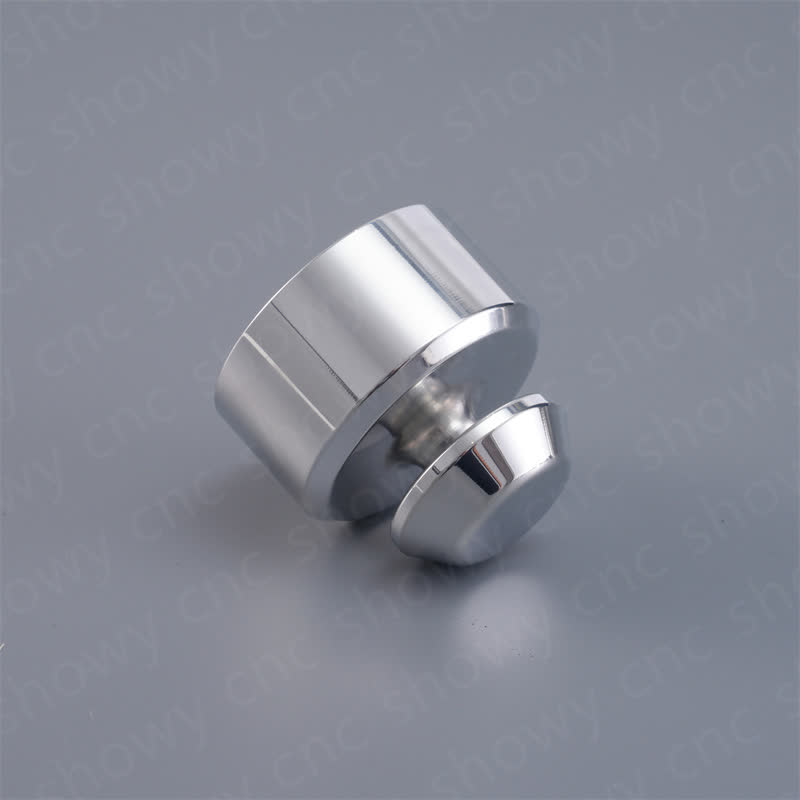


The press-fit fastening process involves pressing embedded fasteners such as thread-forming nuts, studs, and nut studs into pre-punched holes, thereby providing sheet metal parts with threads ready for direct assembly. Compared to welded nuts, press fitting prevents deformation, protects plating, and can be performed after surface treatment, preventing paint and plating from damaging threads.
Process Overview
Press fitting is performed on a press-fit machine or servo-press: The embedded fastener is placed into the pre-punched hole, and the upper die drives the fastener into the hole until the head of the fastener interlocks with the sheet material. We maintain a standard fastener inventory including PEM and other brands, covering the SO, SOS, and SSS series of thread-forming nuts, press-fit studs, and nut studs; custom brand specifications are also available. Pressing force and displacement are monitored in real time to ensure consistency in assembly quality.
Capabilities & Specifications
- Common Embedded Fasteners: Thread-forming nuts, press-fit studs, nut studs, and support posts
- Applicable Sheet Thickness: 0.8 – 3.0 mm
- Advantages: Protects plating, simplified assembly, and permits post-processing installation
- Compatible Materials: Cold-rolled steel, galvanized steel, stainless steel, and aluminum
- Installation Methods: Press-fit machine / Servo-press / Handheld tools
Technical Considerations
The quality of press fitting depends on the pre-punch hole dimensions and pressing parameters: The punch hole diameter must be strictly matched to the sheet thickness. If the hole is too small, the fastener may fail to fully engage or cause sheet bulging; if too large, the mechanical interlock strength is insufficient. We maintain a parameter library for punch holes and pressing processes based on the fastener specification. Torque spot checks are performed after assembly to ensure fasteners meet the specified torque. For parts with surface finishes, press fitting is scheduled after rectification and surface treatment to ensure threads remain unaffected by coating processes.
Typical Applications
Enclosure mounting plates, equipment panels, and panels requiring frequent disassembly. For any sheet metal part requiring standard threaded holes for the later assembly of circuit boards, handles, hinges, or covers, press fitting is a more reliable option than welded nuts.
FAQ
Which to choose: pressed rivets or welded nuts?
Prefer press fitting: It preserves surface finishes, prevents deformation, and is simple and cost-effective to assemble. Welded nuts are only considered if the sheet thickness is too thin or the fastener is under extreme load, requiring an assessment of post-welding deformation.
What is the thread strength after pressing?
The torsional strength of press-fit fasteners complies with standard specified values; we perform torque spot checks on each batch. As long as the sheet thickness and hole diameter match and the pressing is fully engaged, strength will meet standard assembly requirements.
Can parts be pressed after powder coating?
Yes, this is one of the key advantages of press fitting. We typically install fasteners after surface treatment is completed, ensuring clean threads and smooth assembly while preventing the coating from being damaged during removal.
Need press-fit services? Please provide the sheet thickness and fastener specifications, and we will confirm the hole dimensions and provide a quote.