316L, based on 304, adds 2-3% molybdenum and reduces the carbon content, significantly enhancing its resistance to pitting and chloride corrosion.


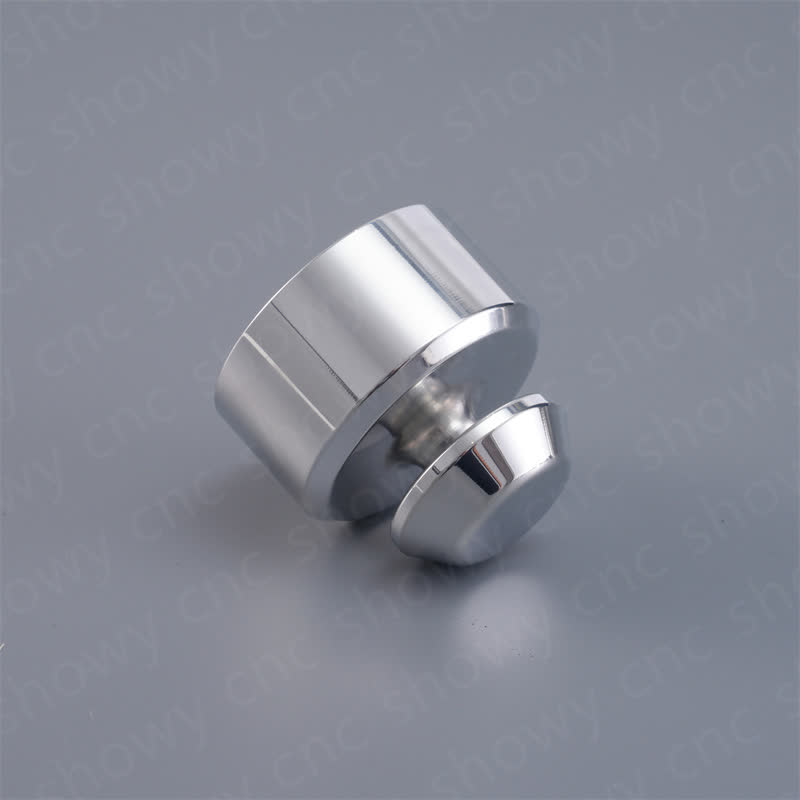


316L is a chemical grade of stainless steel, an ultra-low carbon molybdenum-containing stainless steel. It has better resistance to chloride ion corrosion than 304 and is widely used in chemical, seawater and medical implant scenarios.
316L, based on 304, adds 2-3% molybdenum and reduces the carbon content, significantly enhancing its resistance to pitting and chloride corrosion. It is a leading grade in the chemical and Marine environments.
The 316L grade is often used in the following fields and scenarios. Our CNC machining services can provide customized parts for these industries.
316L demonstrates the following core advantages in CNC machining and terminal applications.
The following are the key process points when processing 316L grade to ensure the quality of parts and processing efficiency.
High-toughness cemented carbide coated cutting tools (AlTiN/TiCN) are selected, and the cutting edges are strengthened to resist the work hardening of austenitic stainless steel.
Medium and low cutting speeds, large feed rates, and the depth of cut must exceed the hardened layer to prevent the tool from rotating and rubbing against the hardened layer.
A large flow of coolant directly scour the cutting zone, powerfully expelling heat and chips, and inhibiting work hardening and thermal deformation.
Use soft claws or custom fixtures to prevent surface scratches; The slender shaft parts are used in conjunction with the tool rest to control the tool deflection.
CMM full-size inspection of key fit dimensions; Re-inspection should be conducted after post-treatment such as passivation and electrolytic polishing.
Besides 316L, Stainless Steel offers several other grades with different characteristics. Click to view details.
Send your STEP / DWG / PDF drawing and get a detailed quote with free DFM analysis and process recommendations within 2 hours. No minimum order — from 1 piece.



