The right answers matched to each process


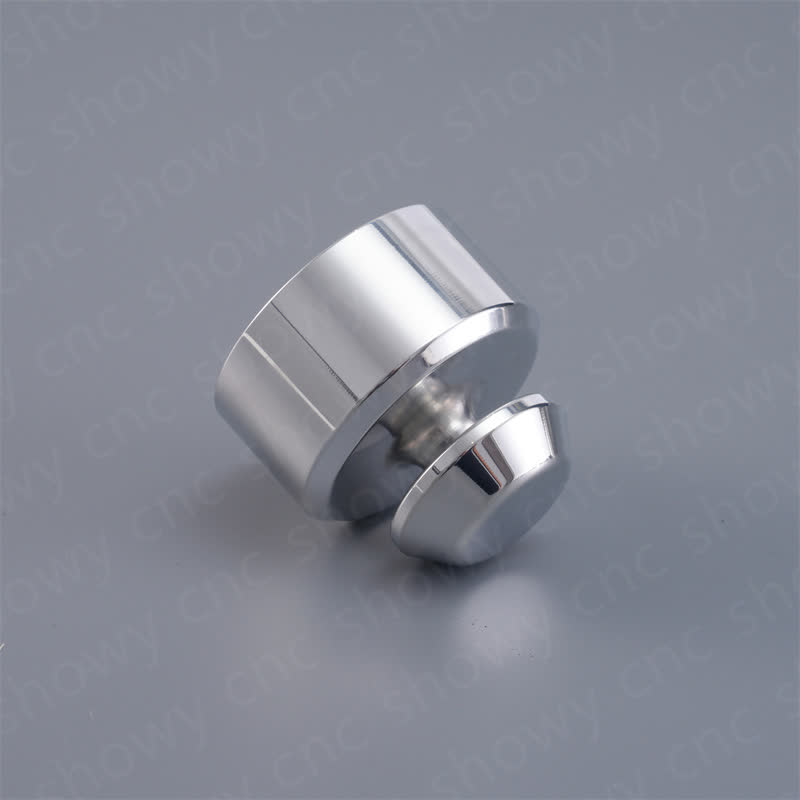


Swiss-type CNC uses guide bushings to support bar stock near the tool, enabling the machining of slender parts without deflection. Standard CNC turning employs chucks or collets to hold the workpiece, making it more suitable for shorter parts with larger diameters.
Yes, modern Swiss-type CNC machines are equipped with multiple tool stations and live tooling capabilities. Off-center operations such as transverse drilling, milling, slotting, and hex broaching can all be completed in a single cycle.
Swiss-type CNC easily achieves 20:1 length-to-diameter ratios, surpassing the 10:1 limit of standard turning. With proper tooling and support, some applications can even exceed 50:1.
Type II is standard anodizing with a thinner oxide layer (0.5-1.5 mil), suitable for decoration and corrosion resistance. Type III (hard) anodizing features a thicker oxide layer (1-2 mil) with significantly higher hardness and wear resistance, ideal for functional applications.
Yes, powder coating and liquid spray paint can match RAL, Pantone color cards, or customer-provided samples. Anodizing provides over 50 standard colors, with custom color matching available upon request.
Yes, most surface treatments increase the part's surface thickness. Anodization typically adds 0.5-2 mils per side, while electroplating adds 0.1-2 mils depending on the type. Our engineers account for this material allowance during machining to ensure the final dimensions meet specifications.
Anodizing is primarily used for aluminum alloys (6061, 7075, 2024). Titanium alloys can also be anodized. Other metals such as steel and brass require different surface treatments like electroplating or passivation.
Send your STEP / DWG / PDF drawing and get a detailed quote with free DFM analysis and process recommendations within 2 hours. No minimum order — from 1 piece.



